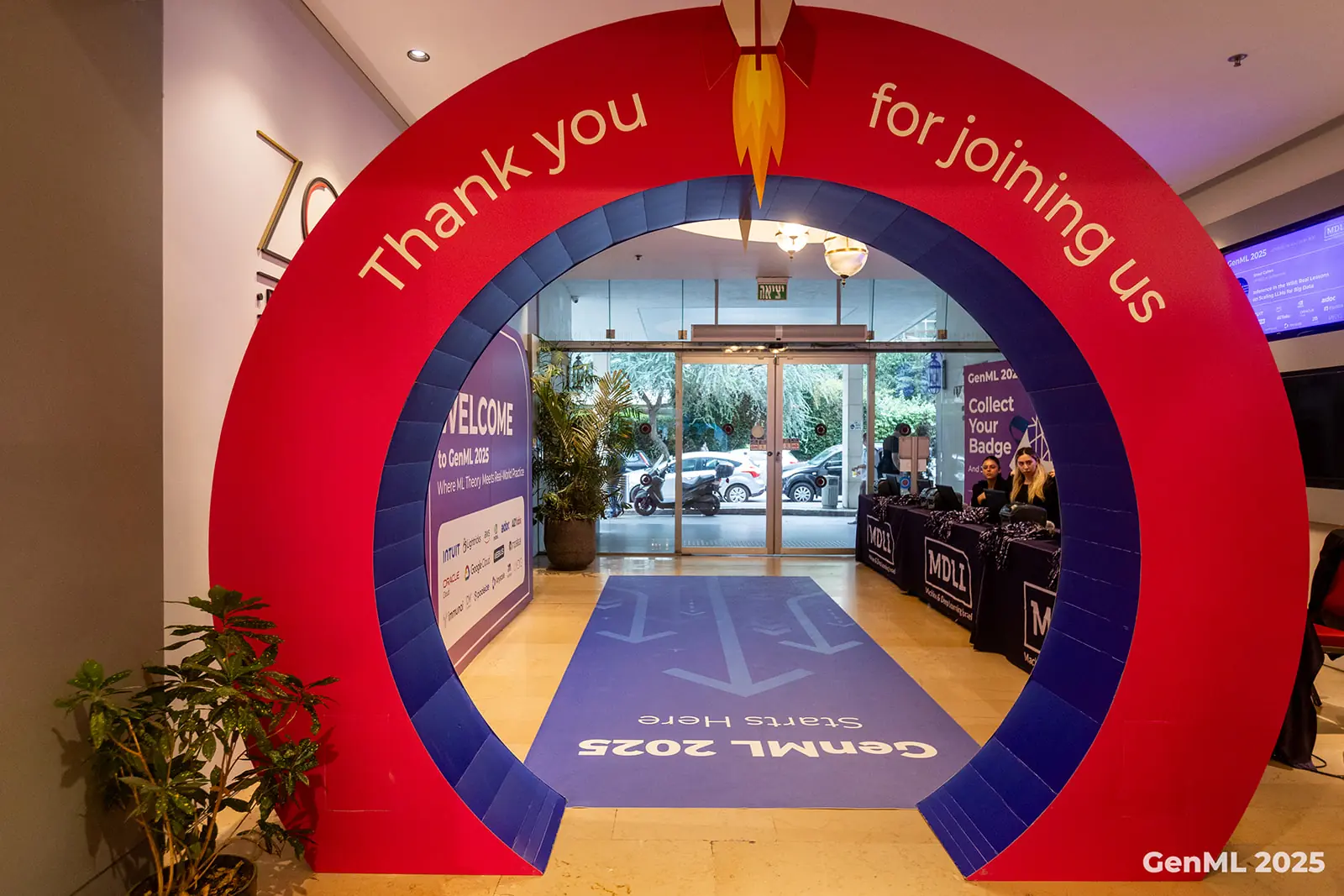
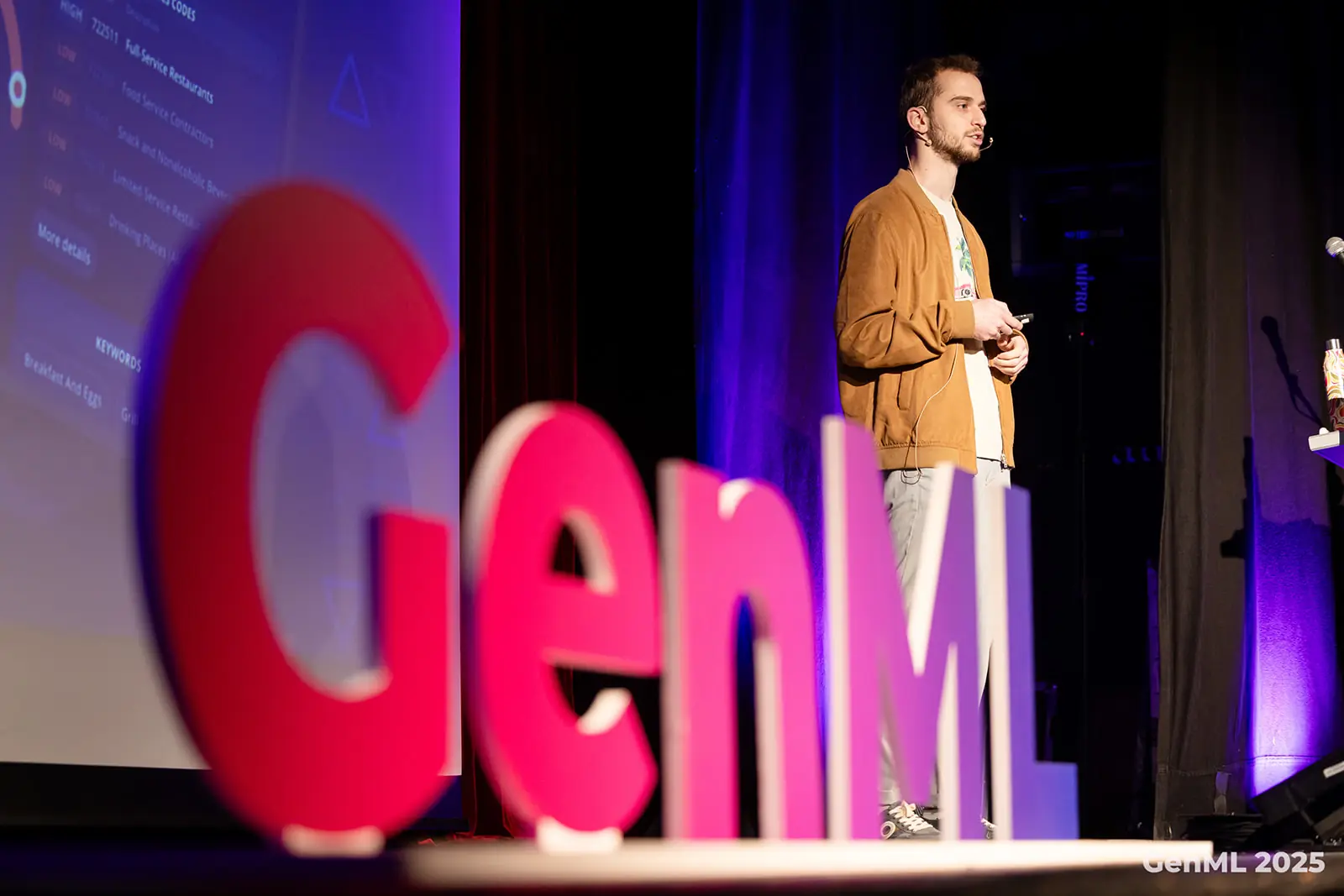
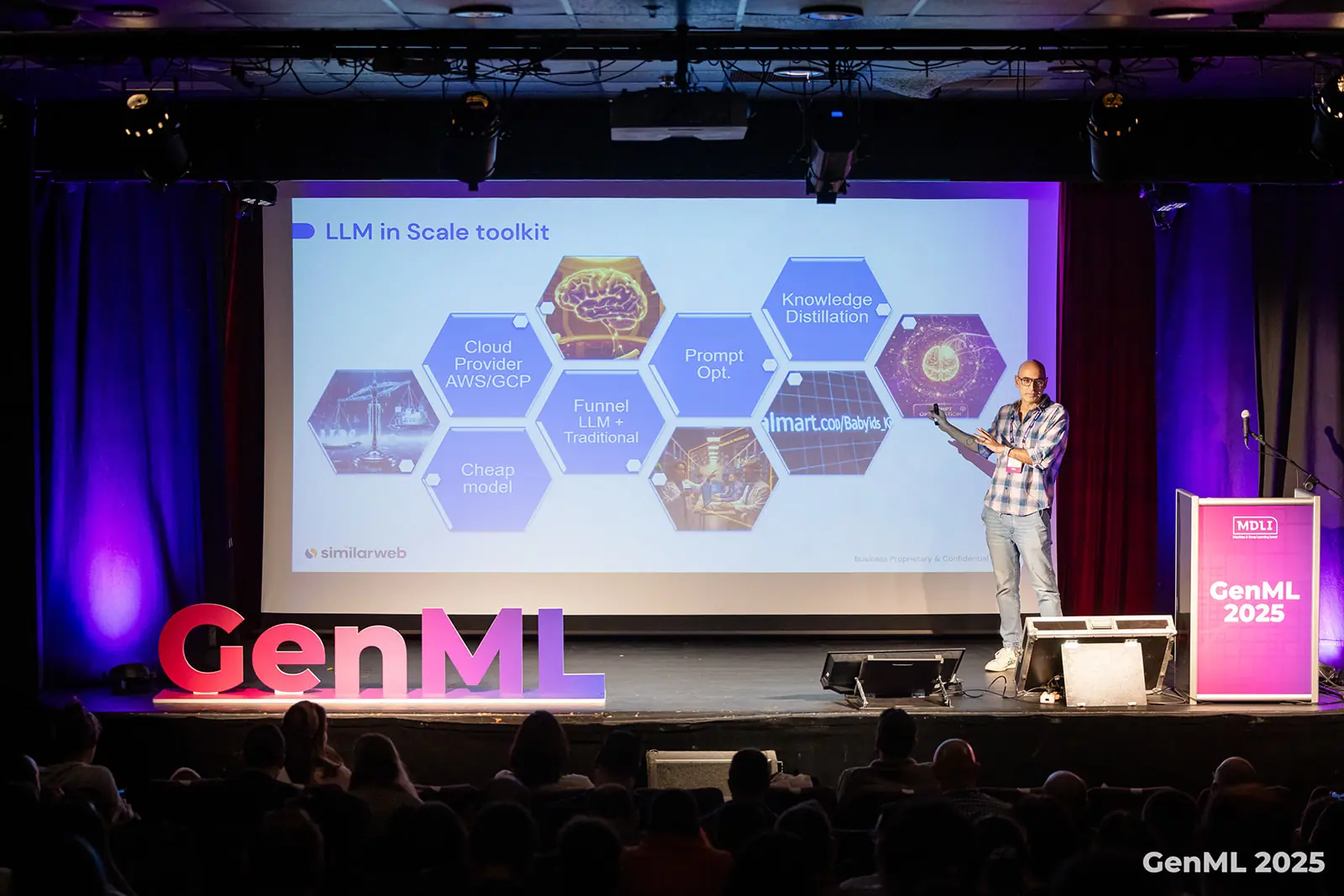
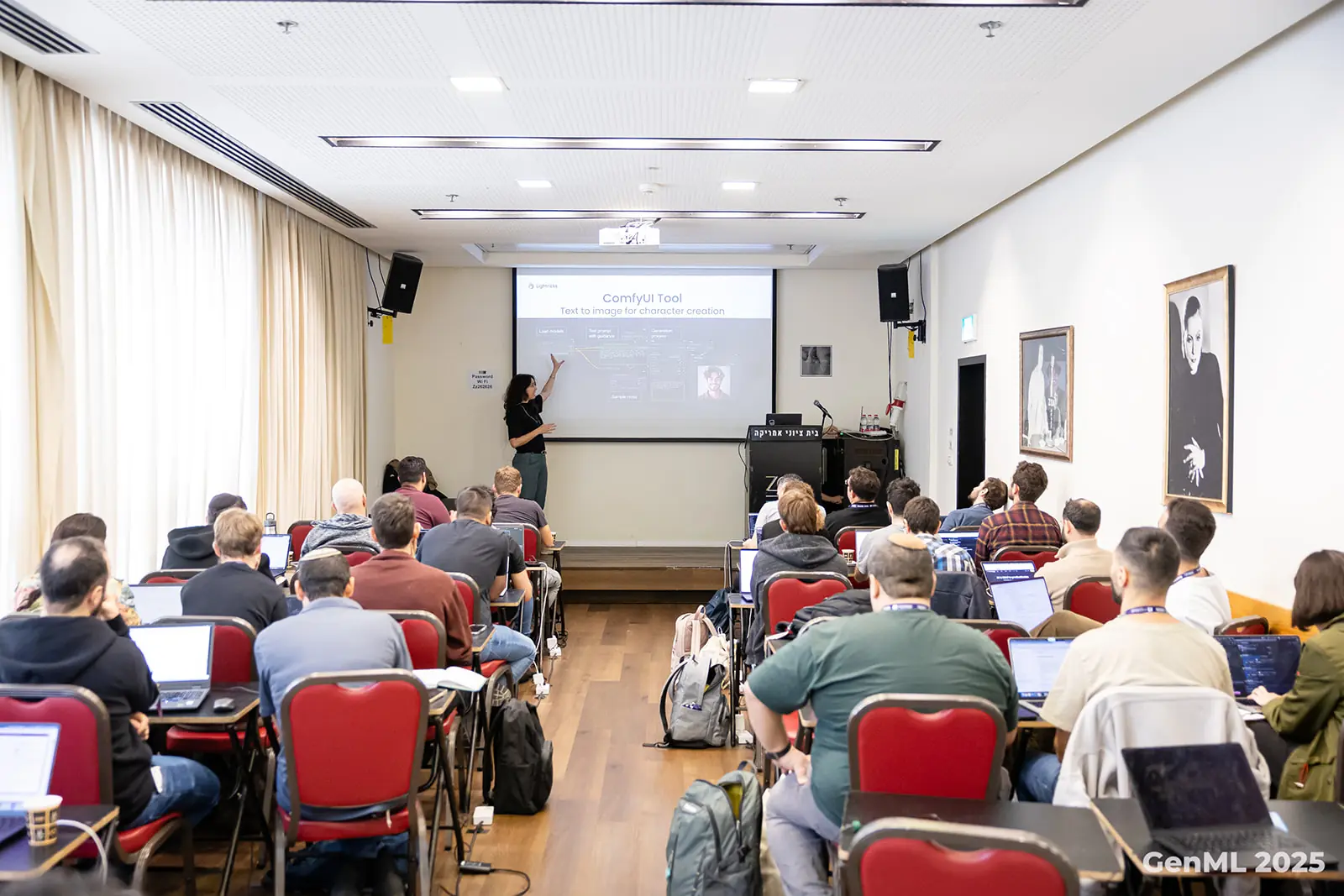
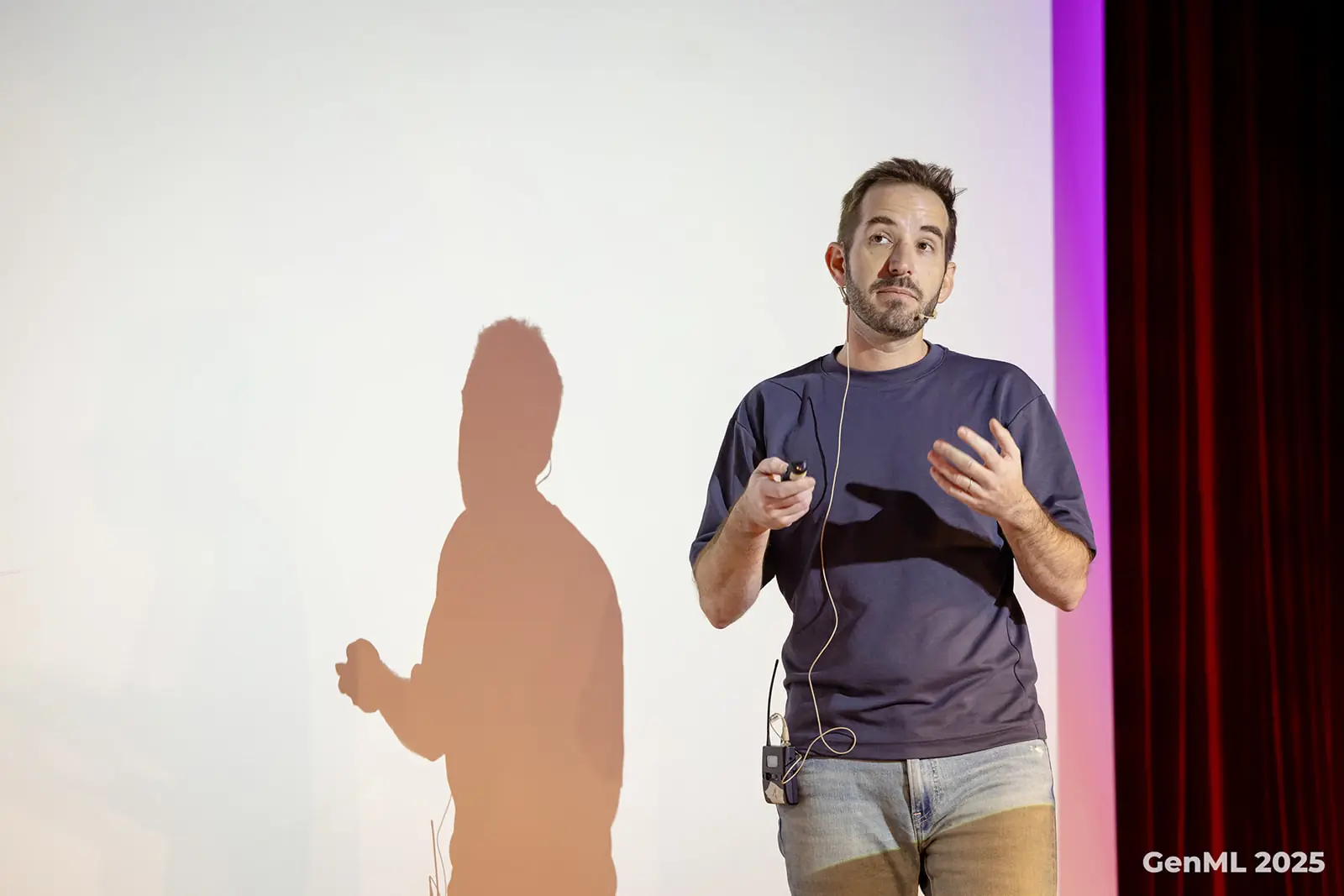
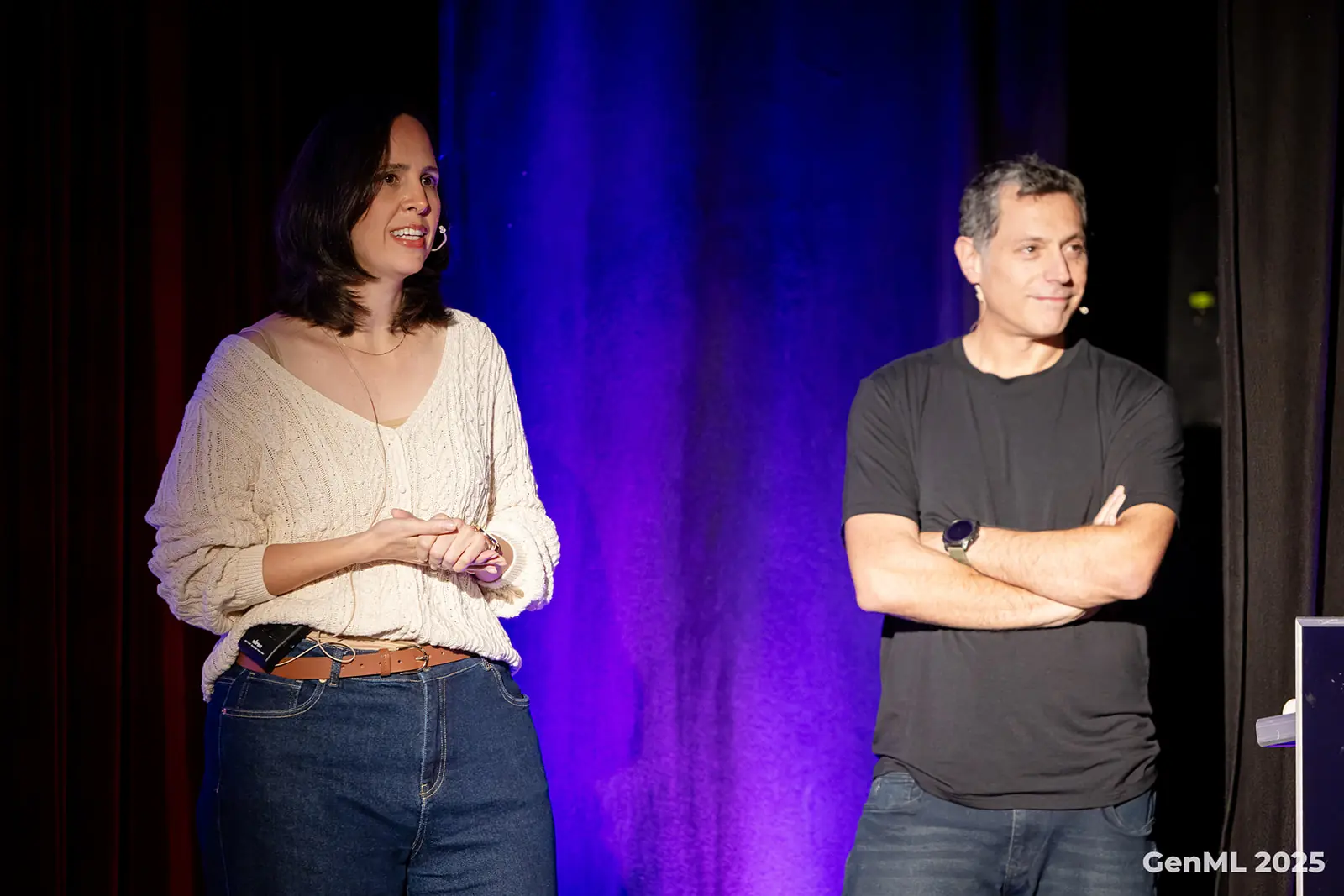
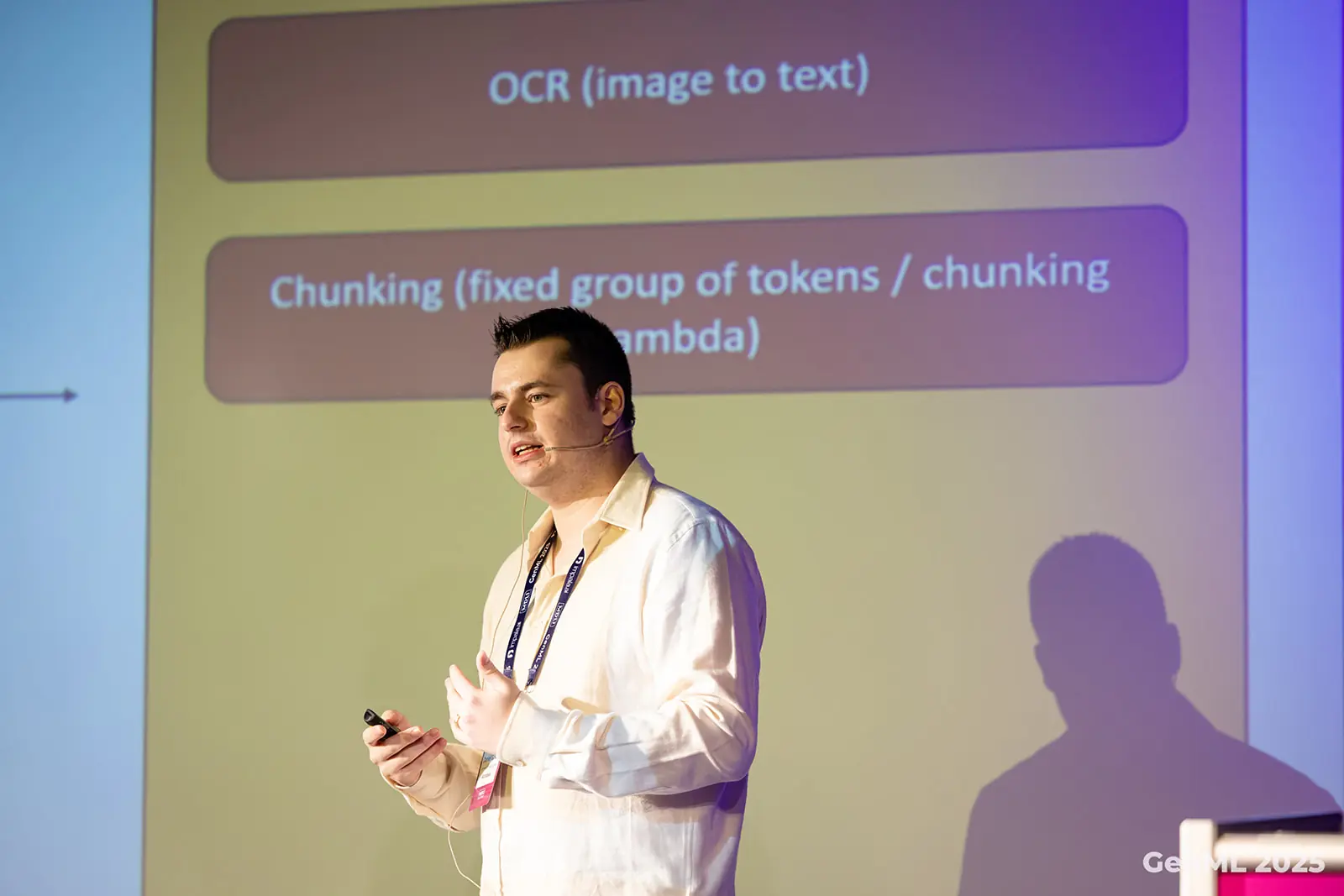
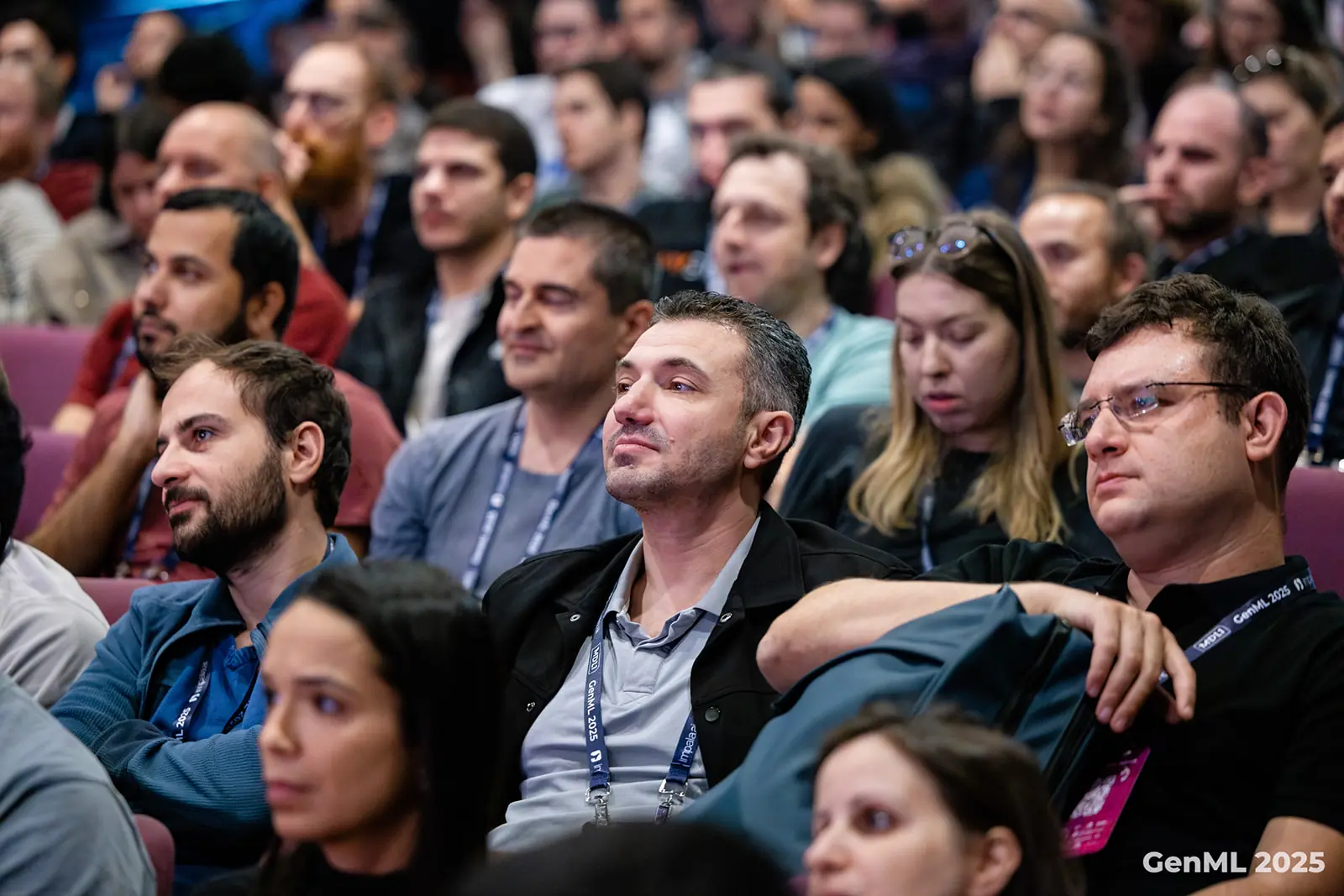
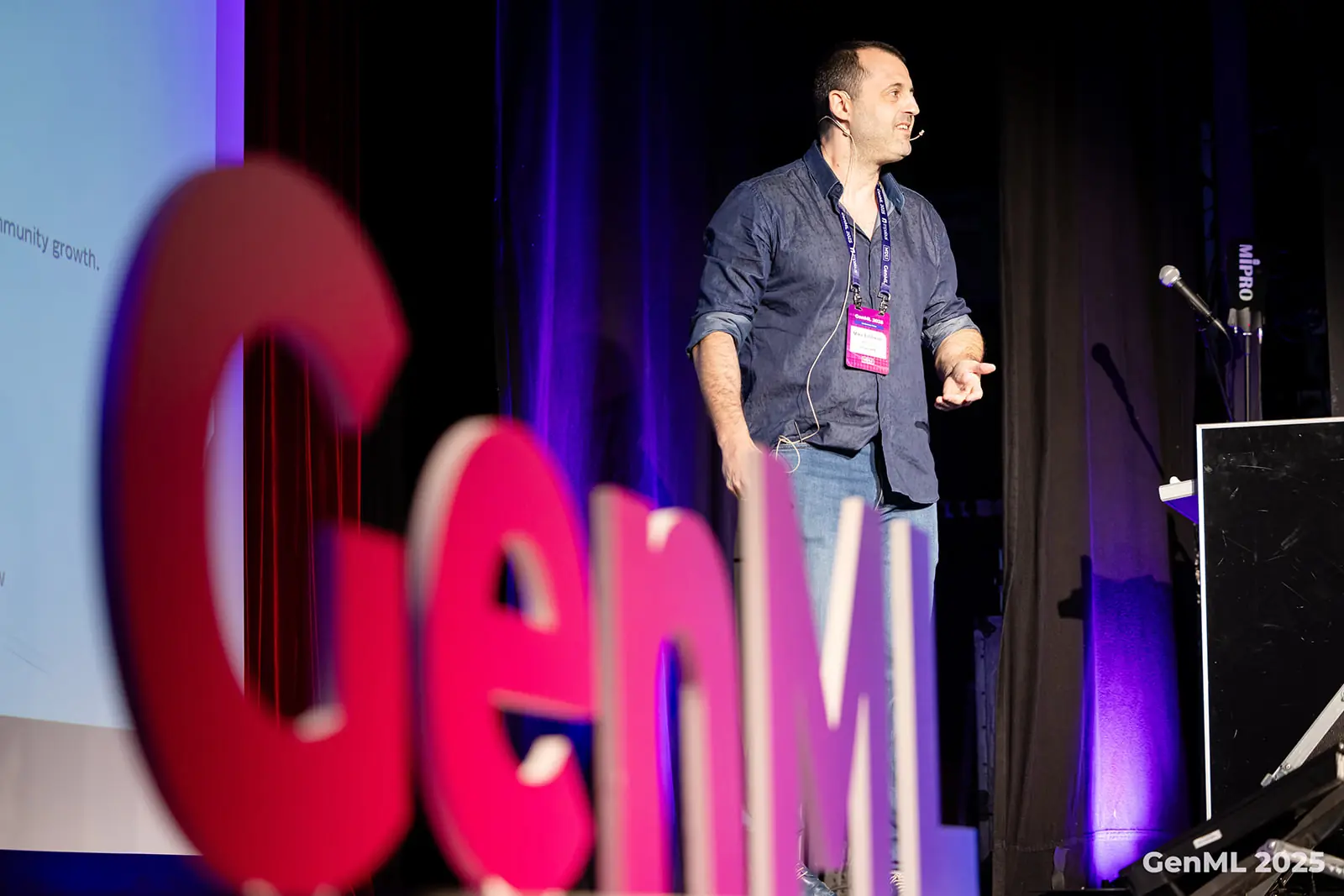
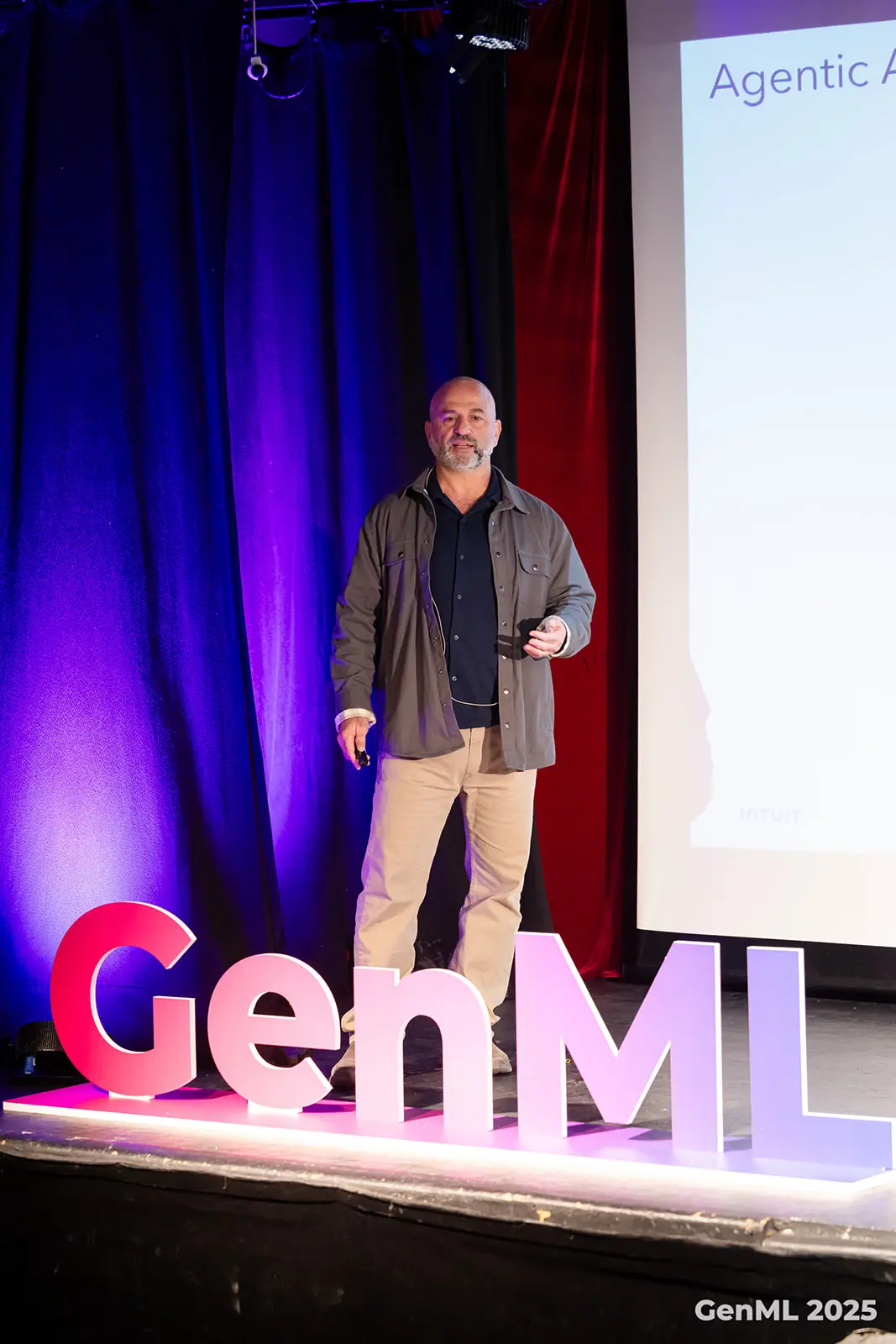
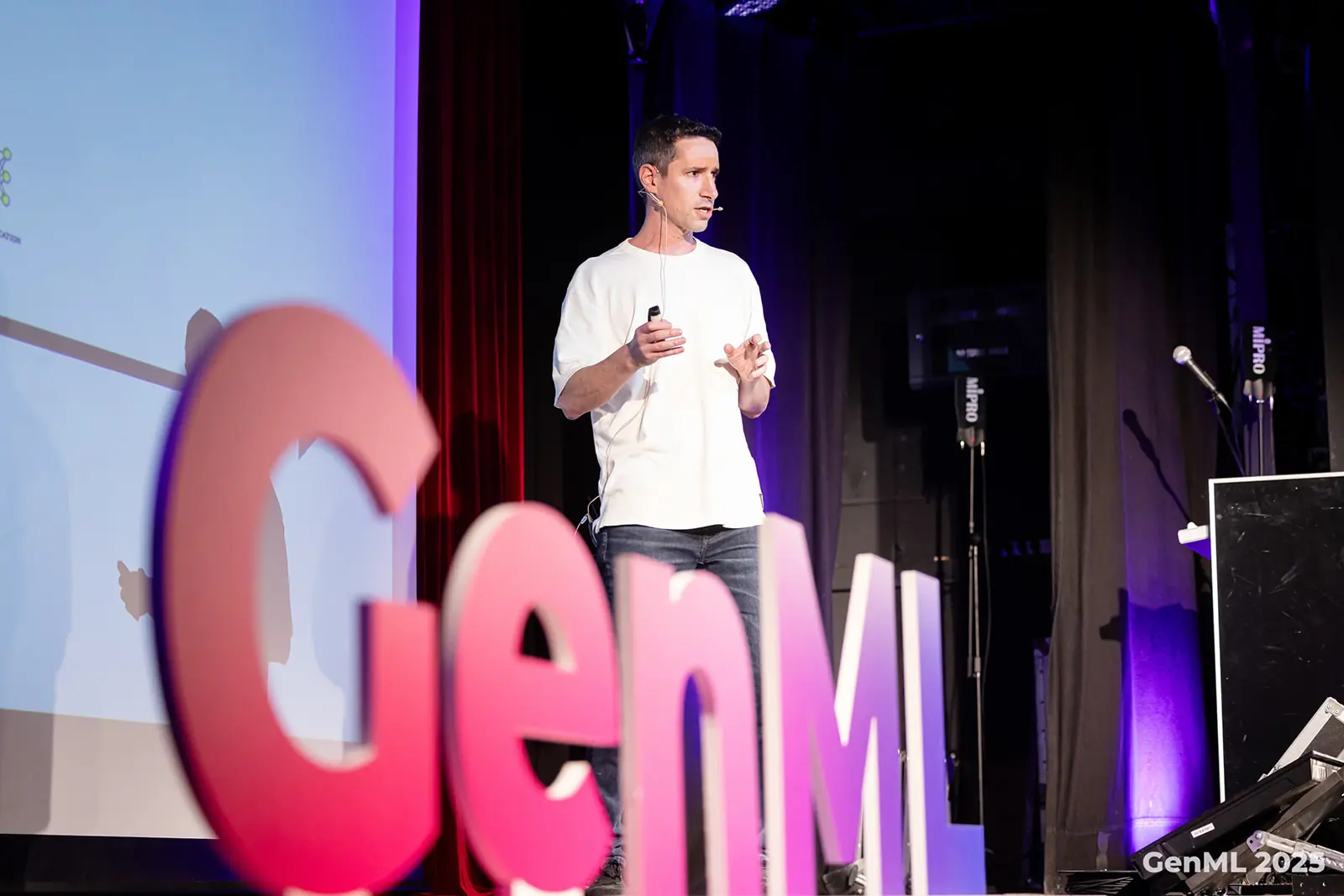
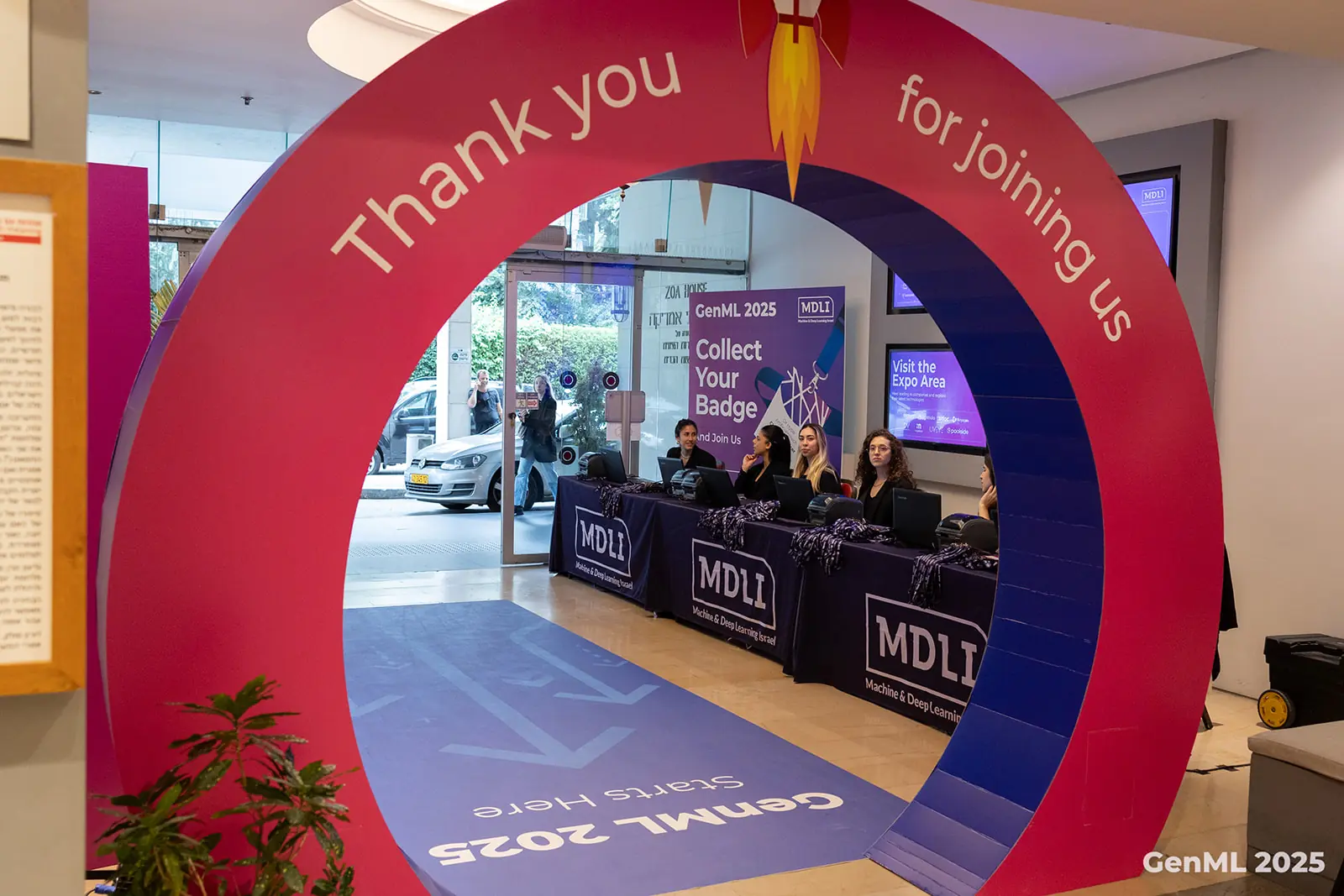
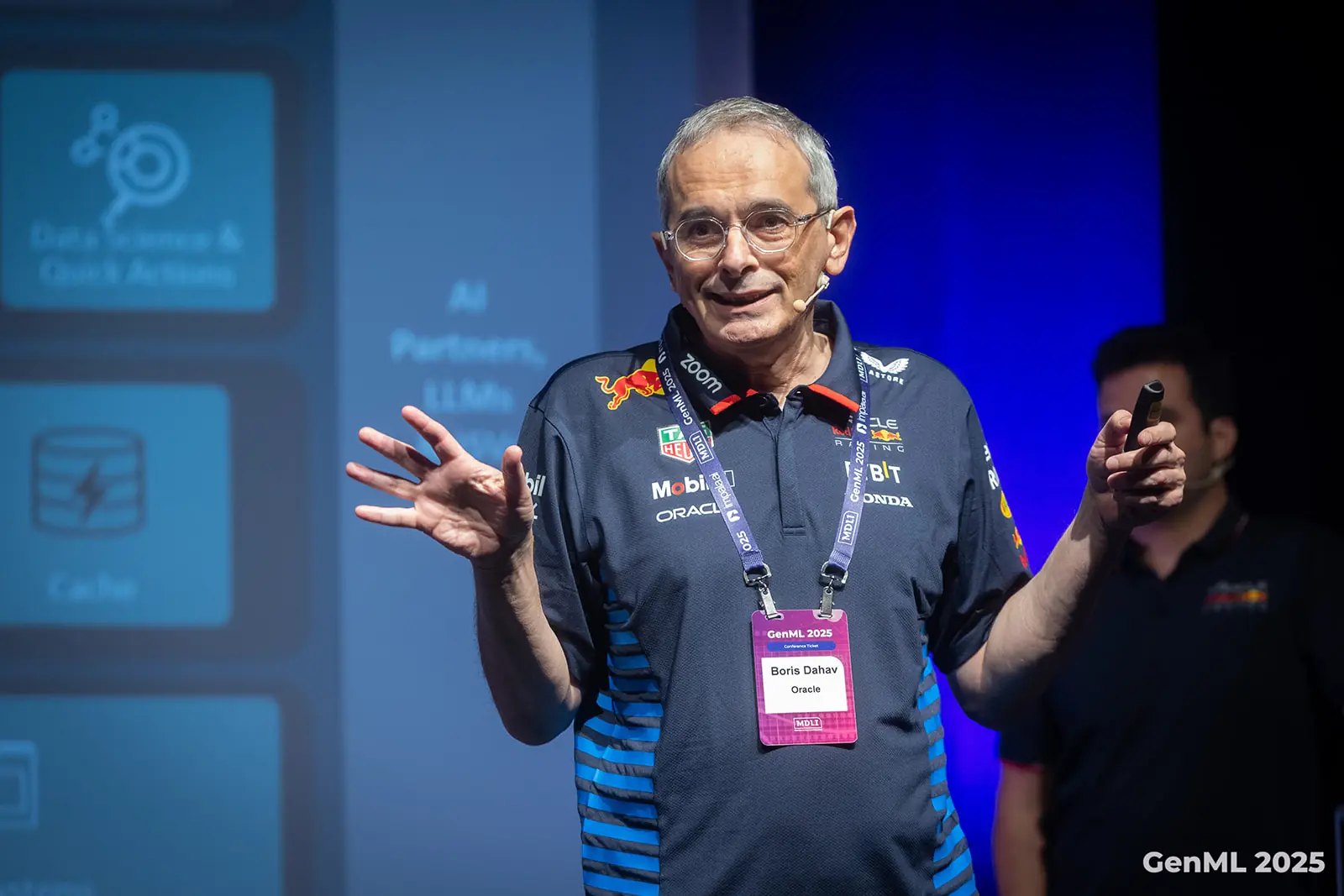
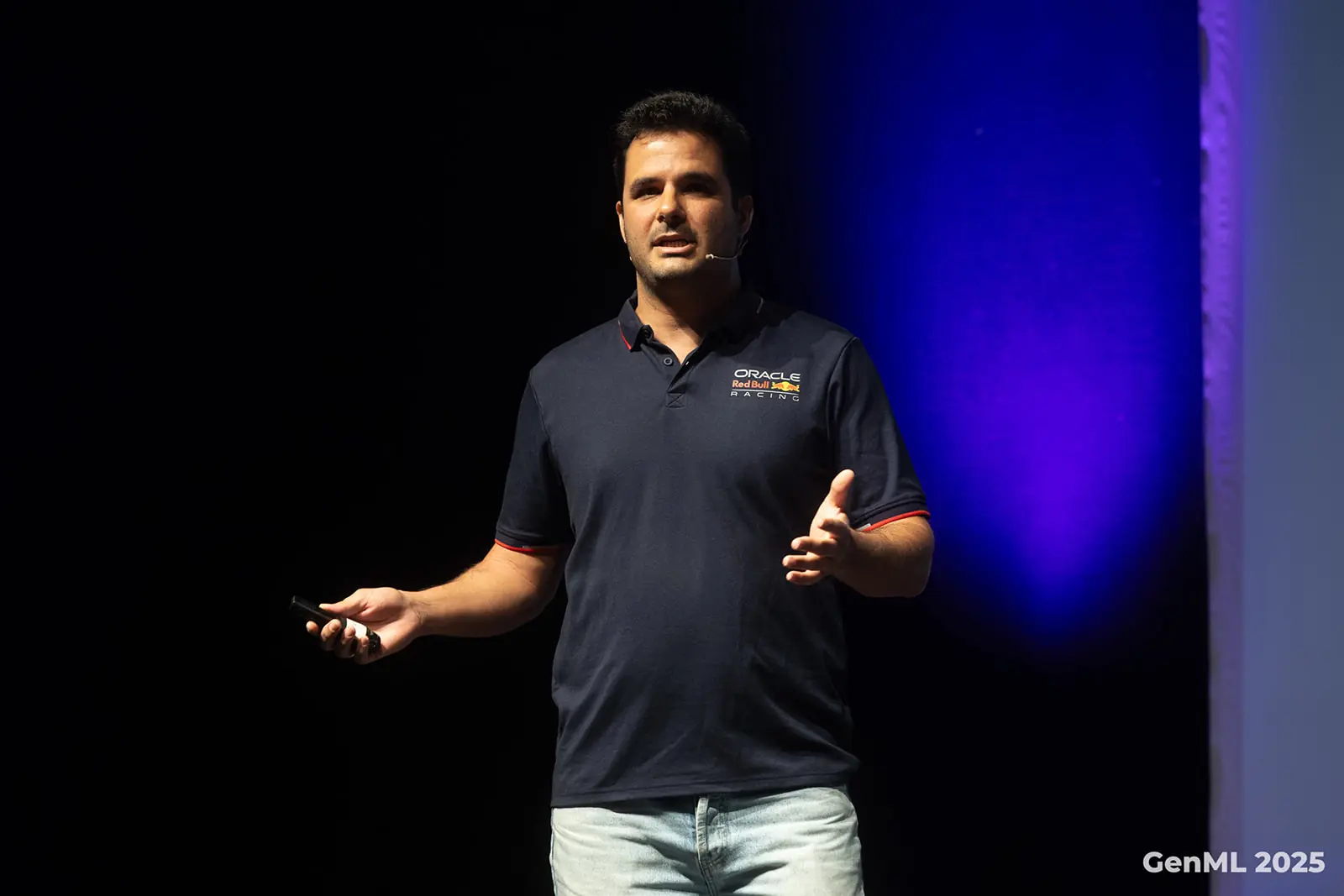
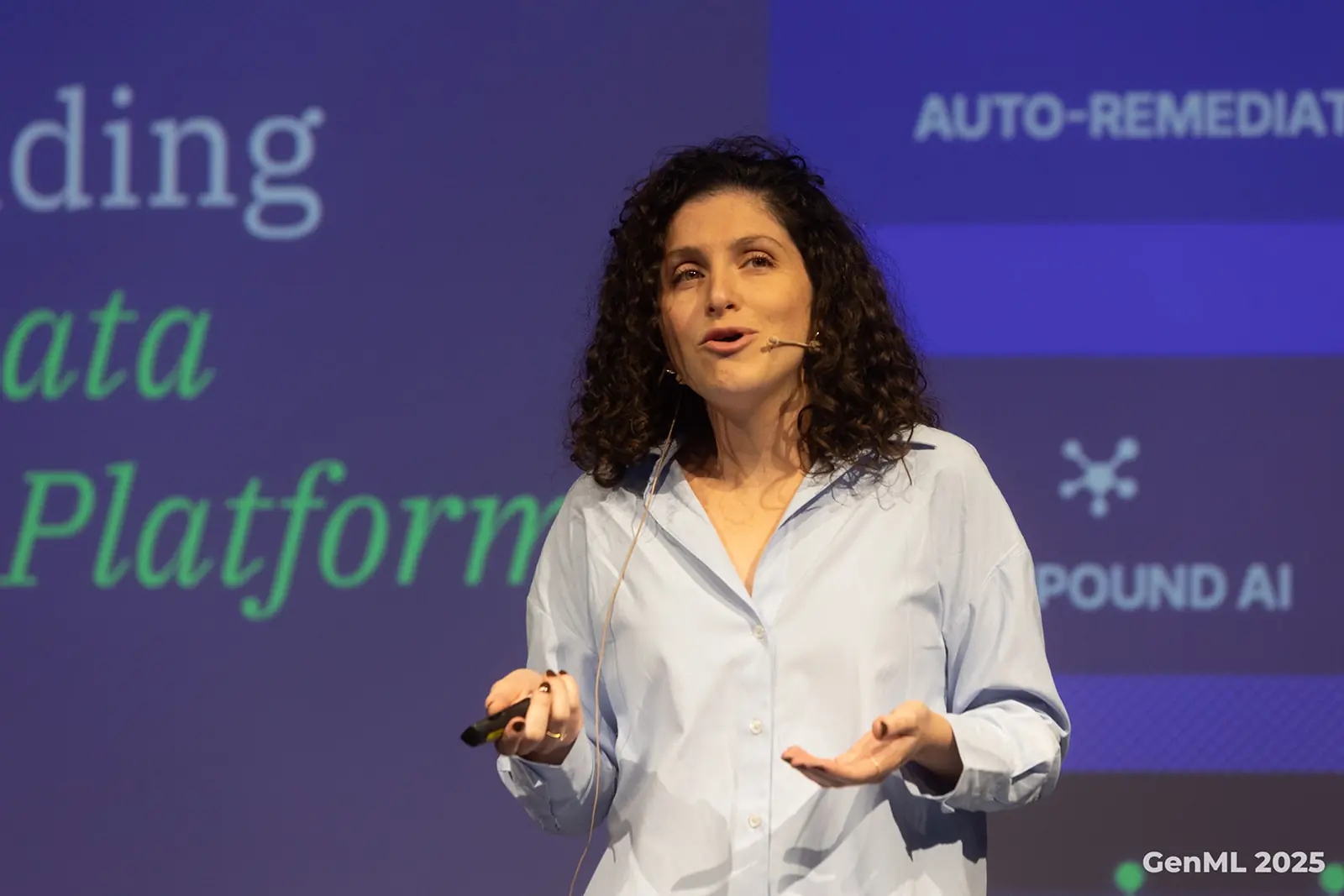
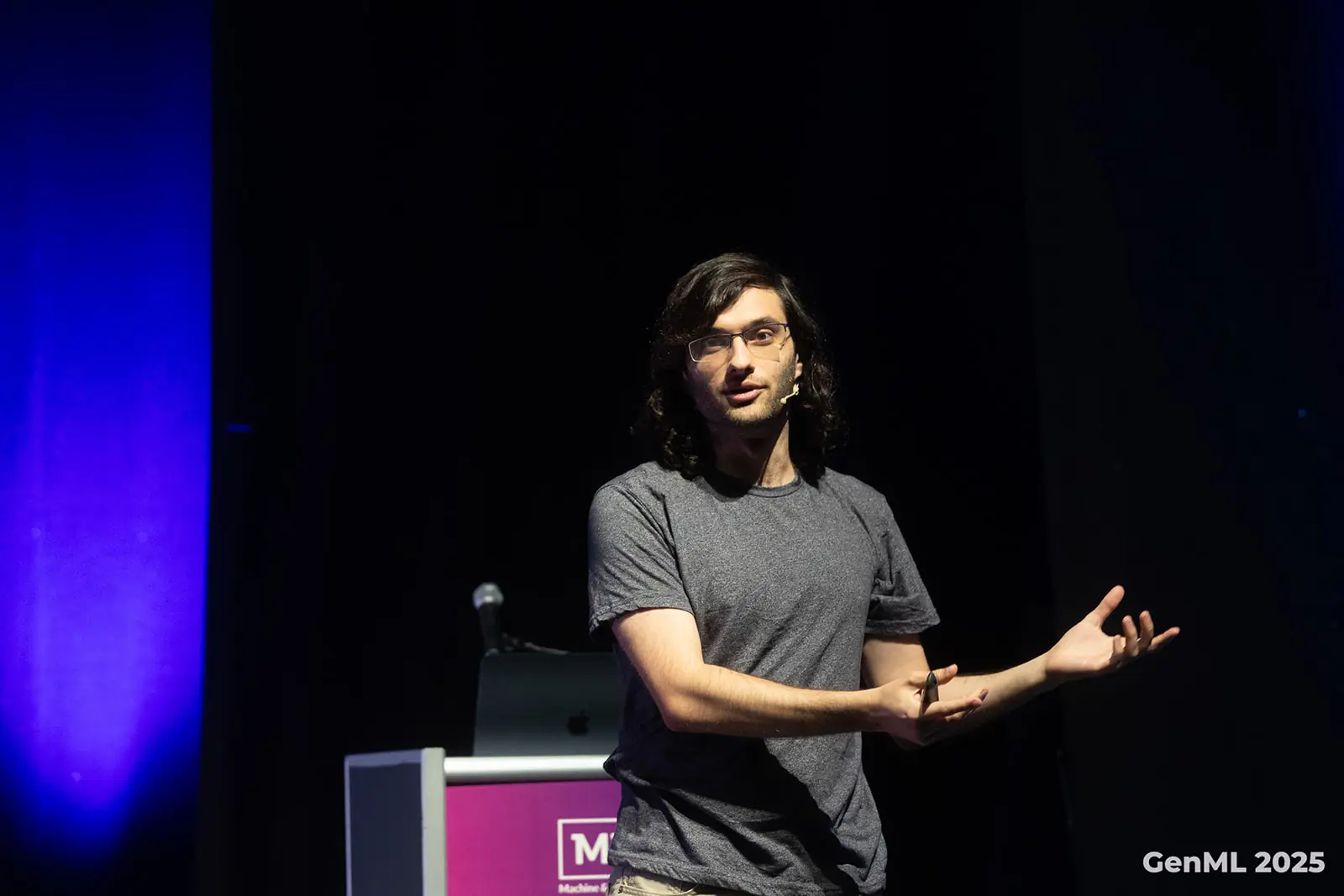
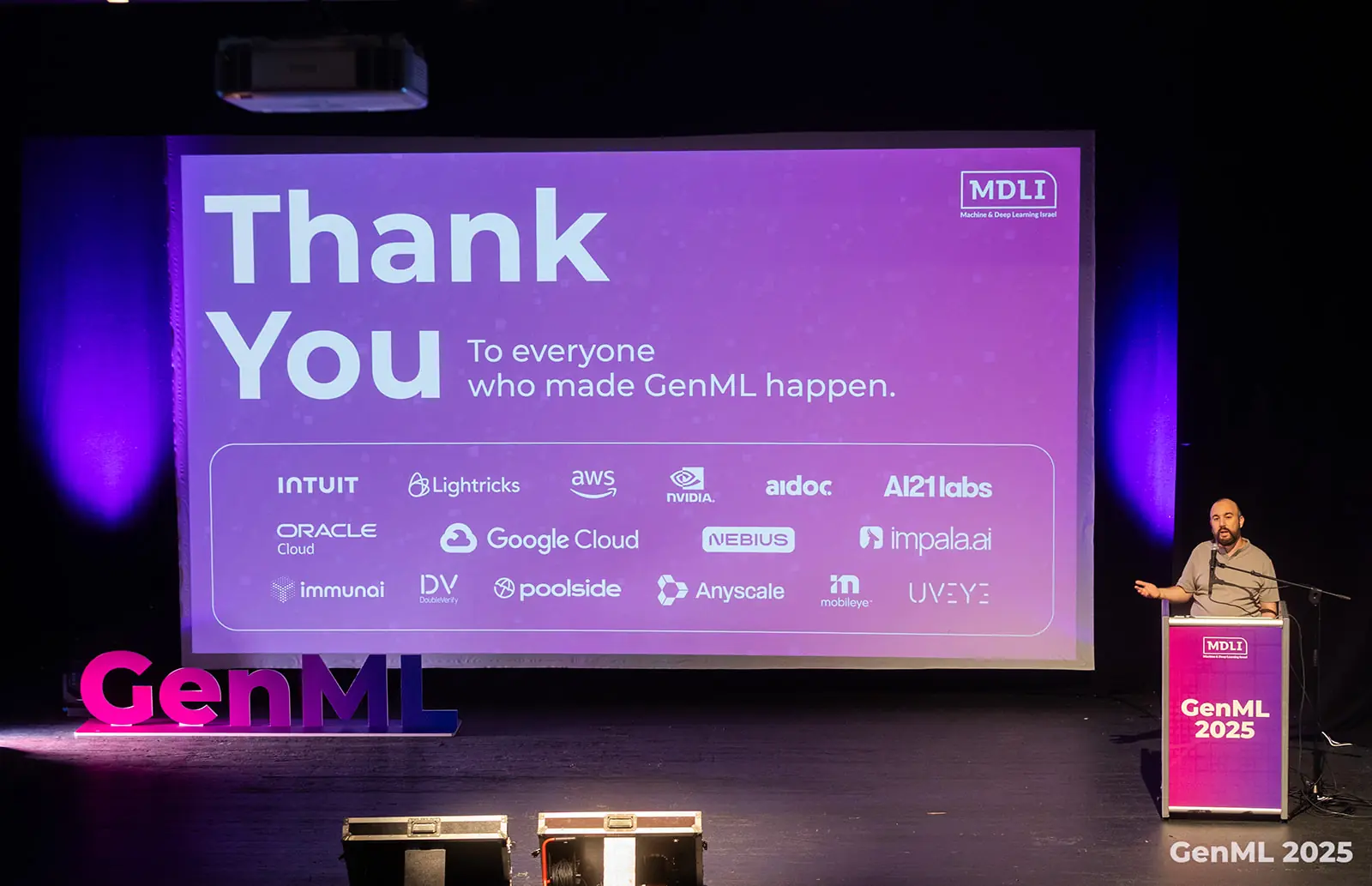
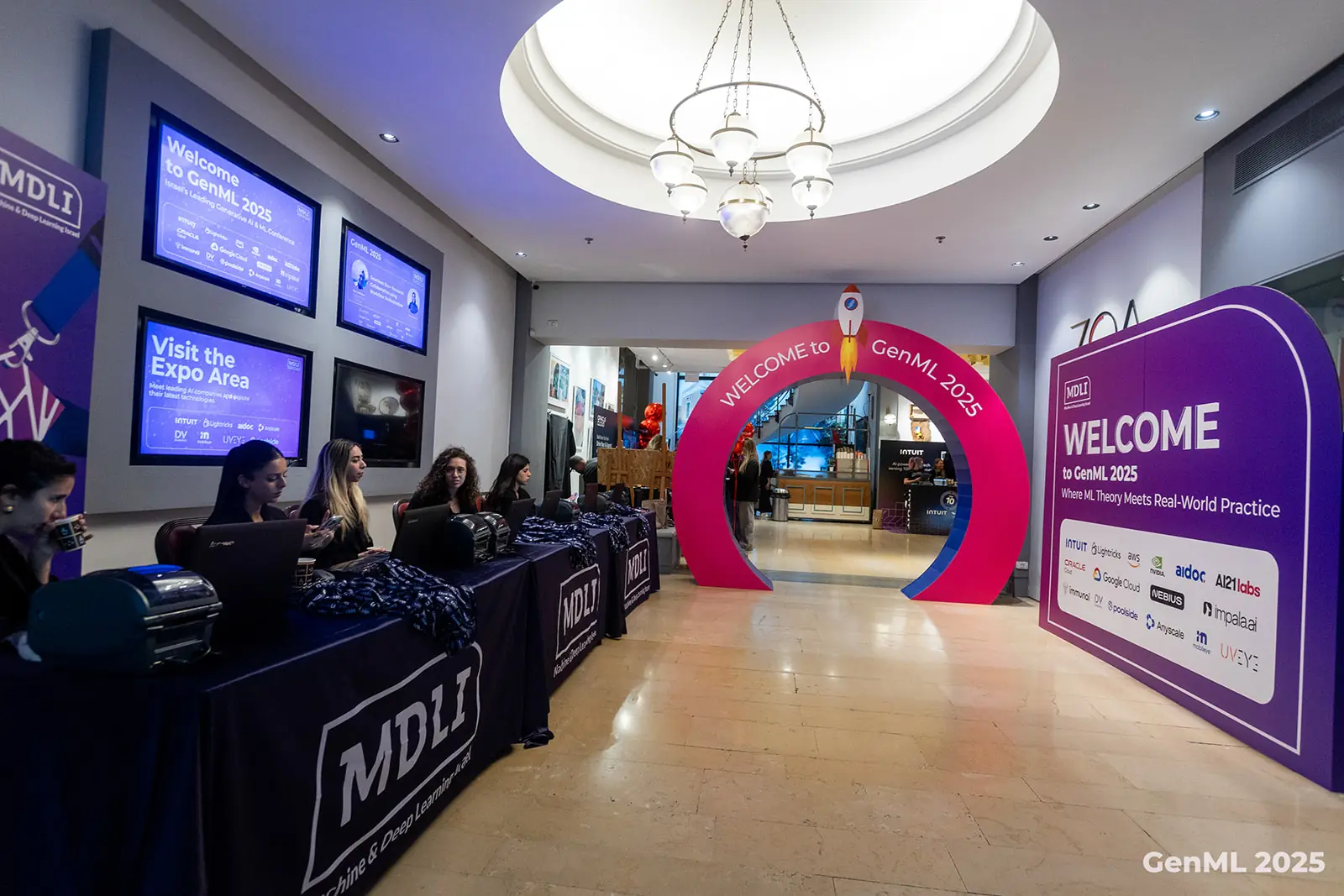
Thank you for participating in our event!
Scroll to see how amazing it was


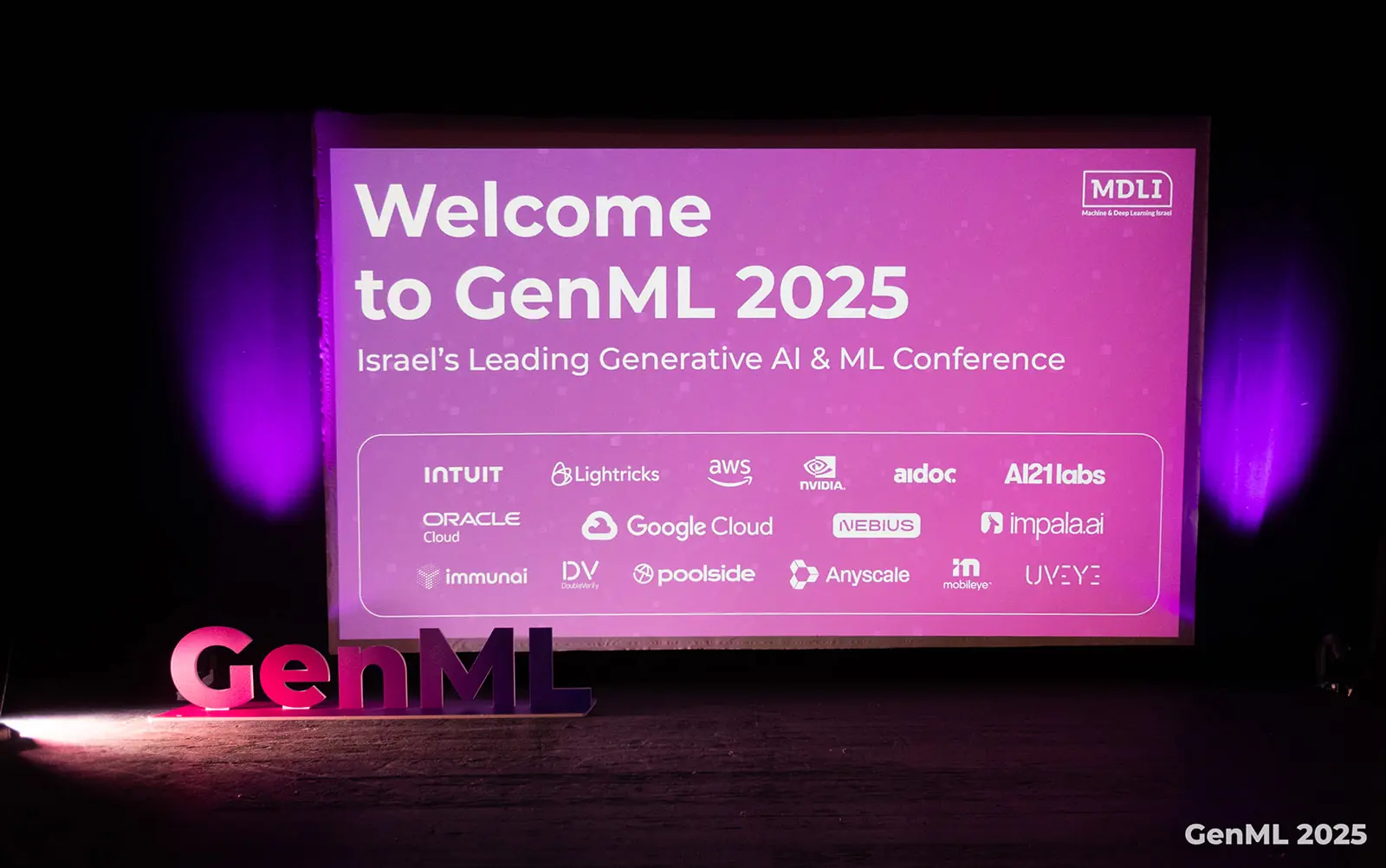
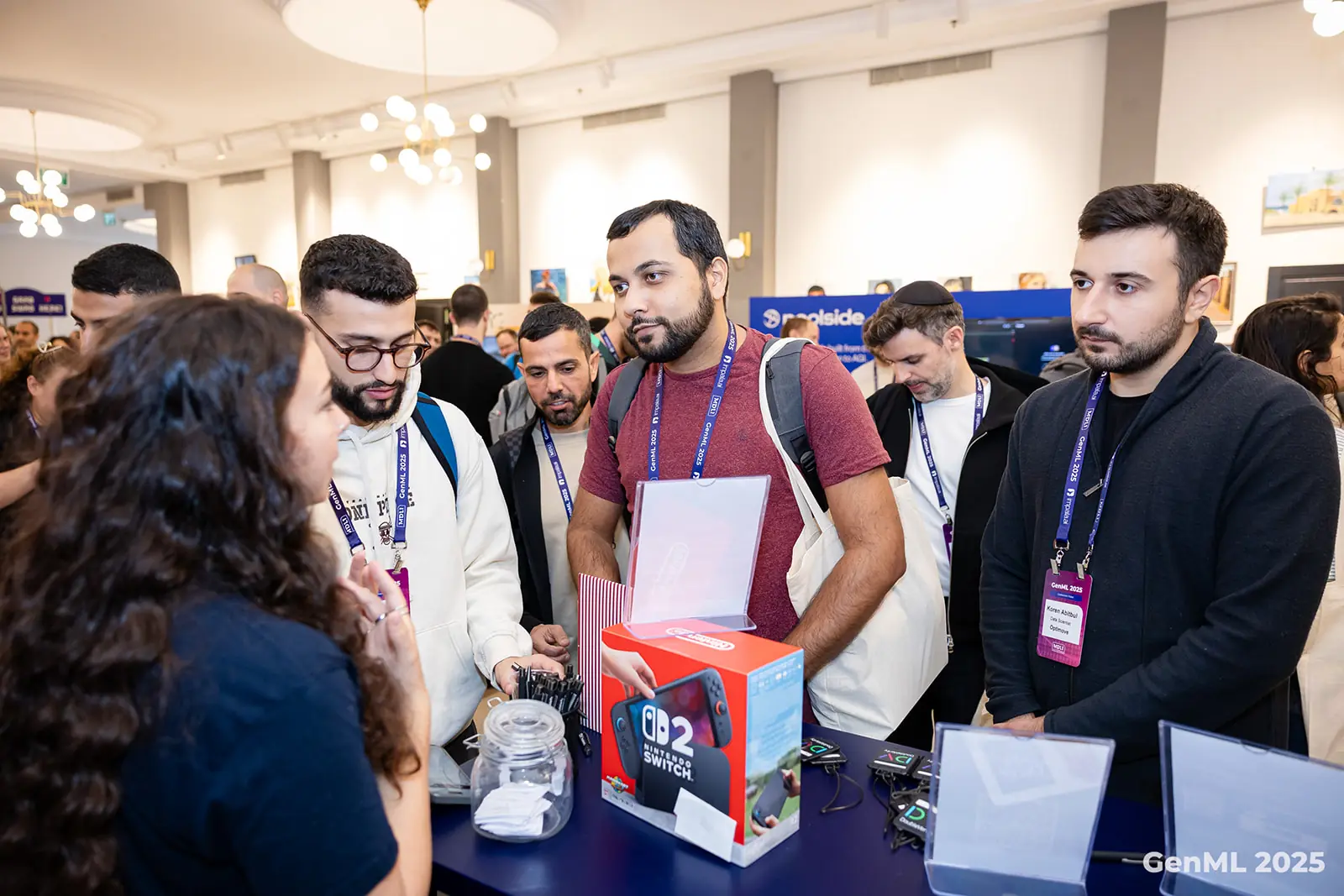
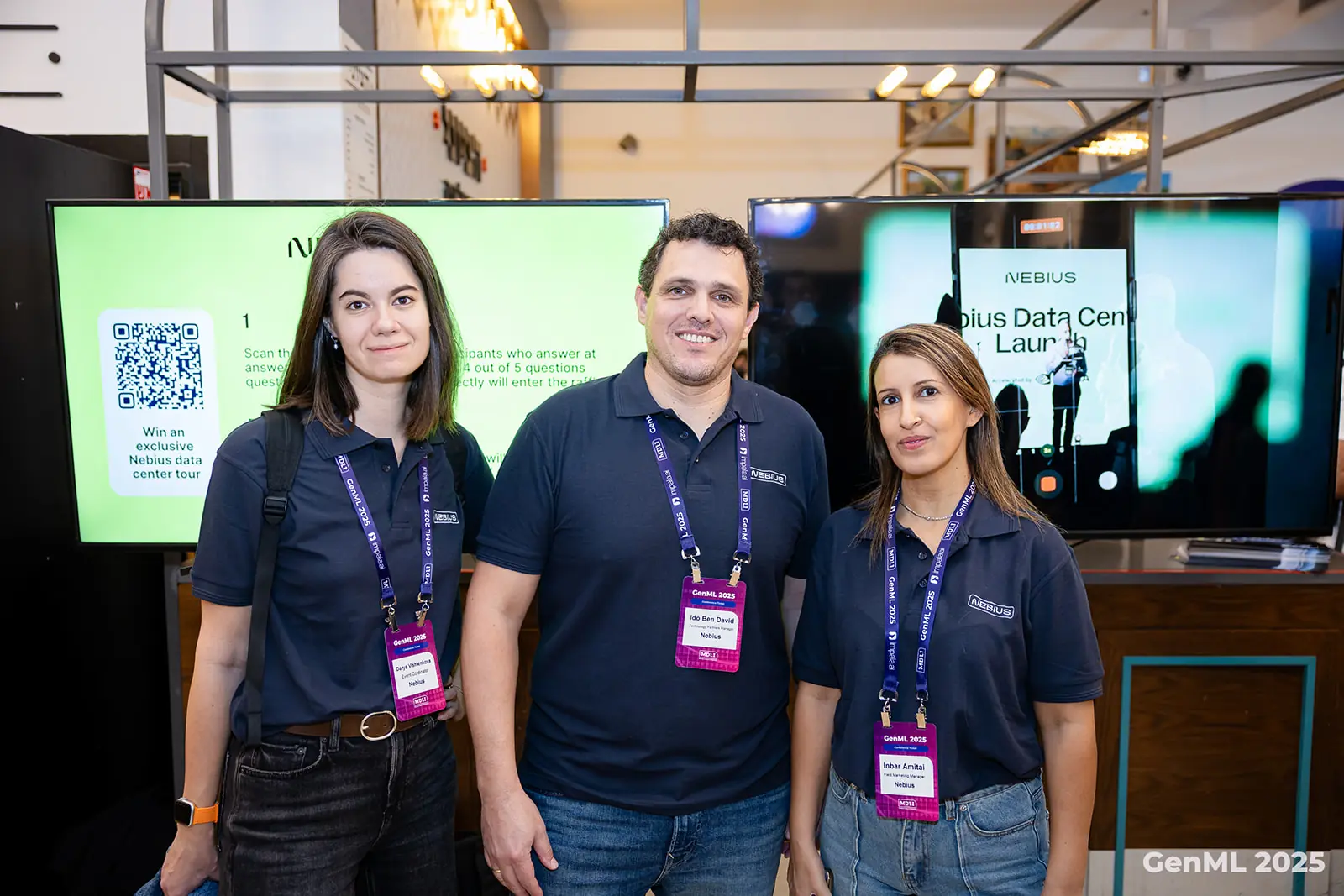
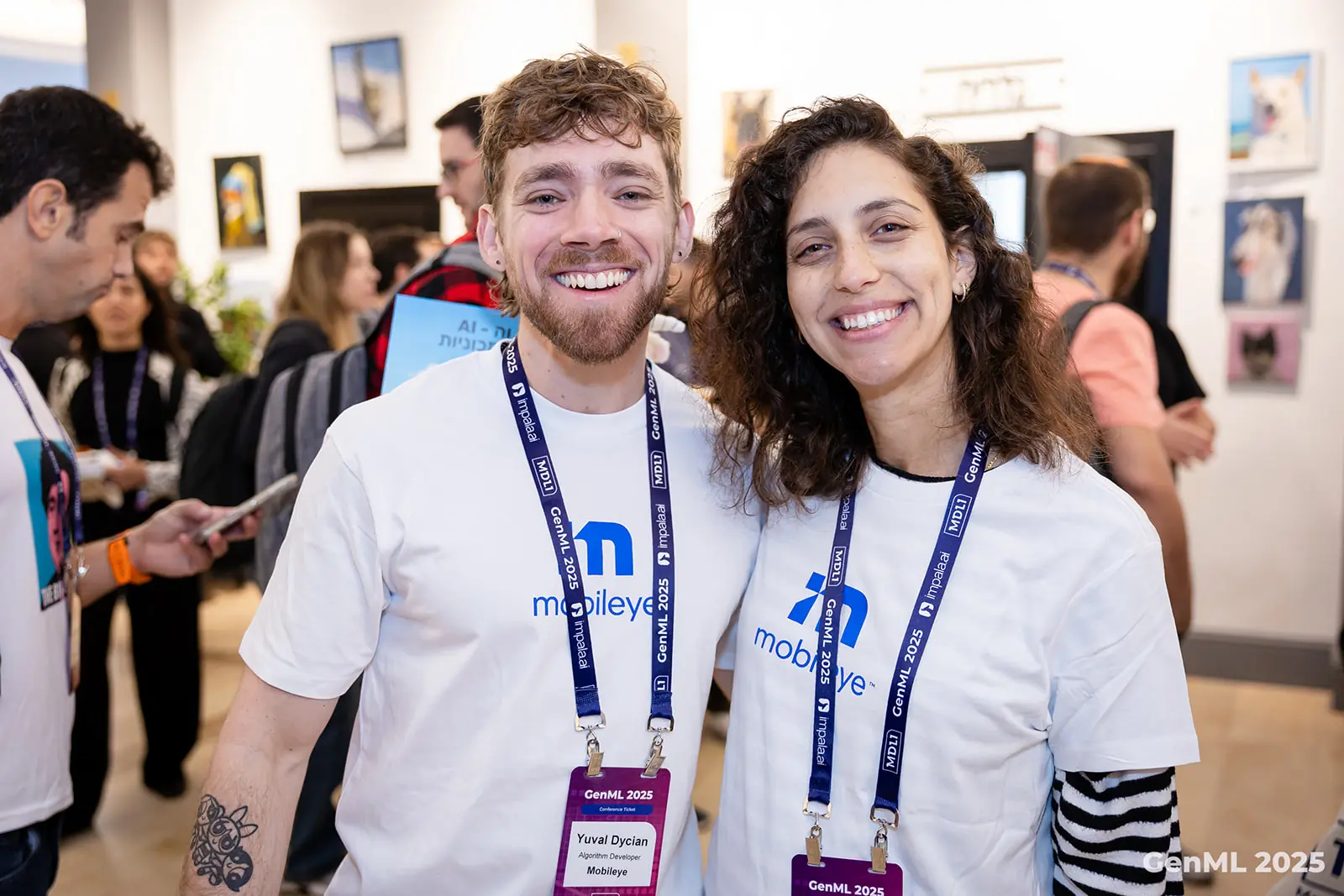
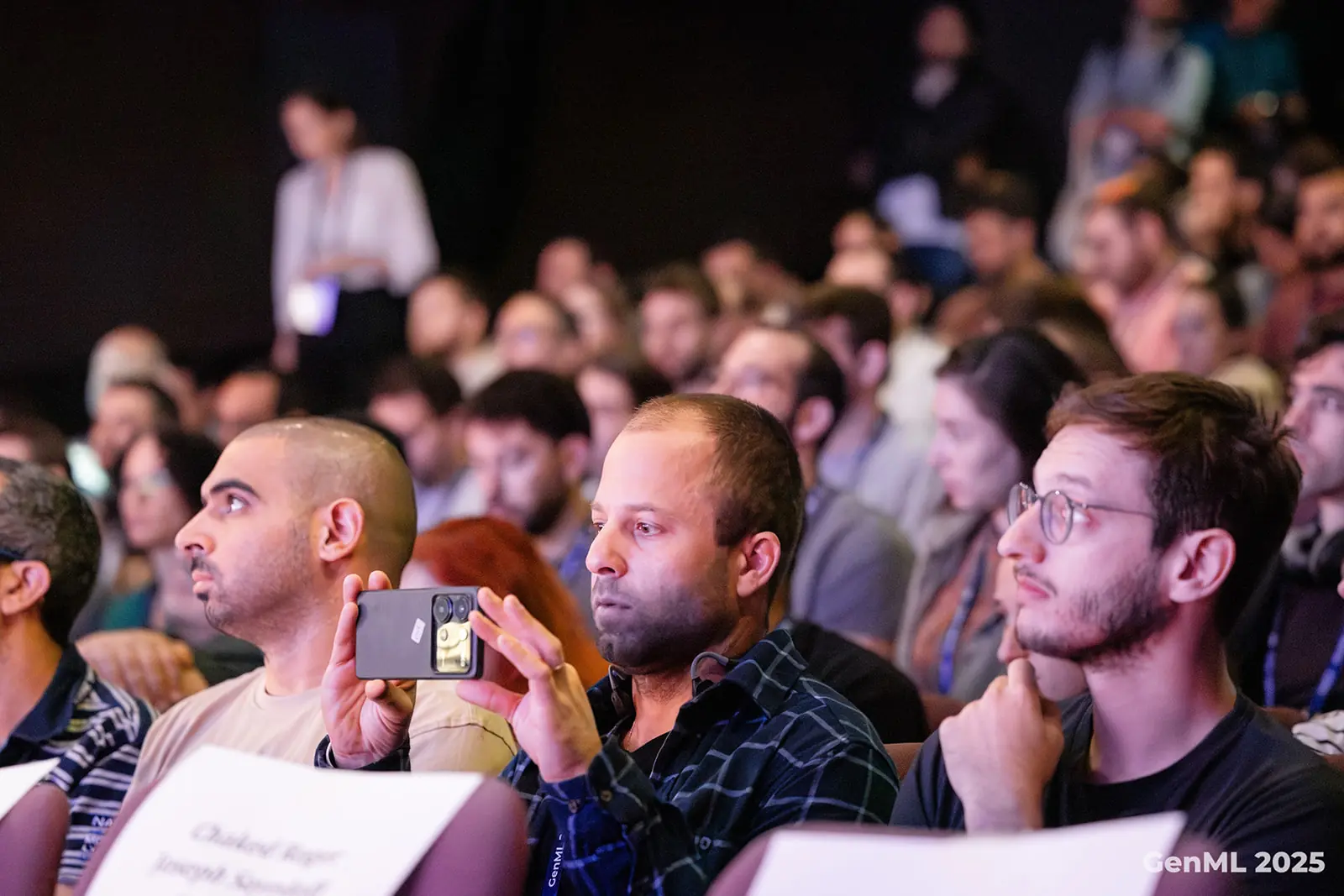
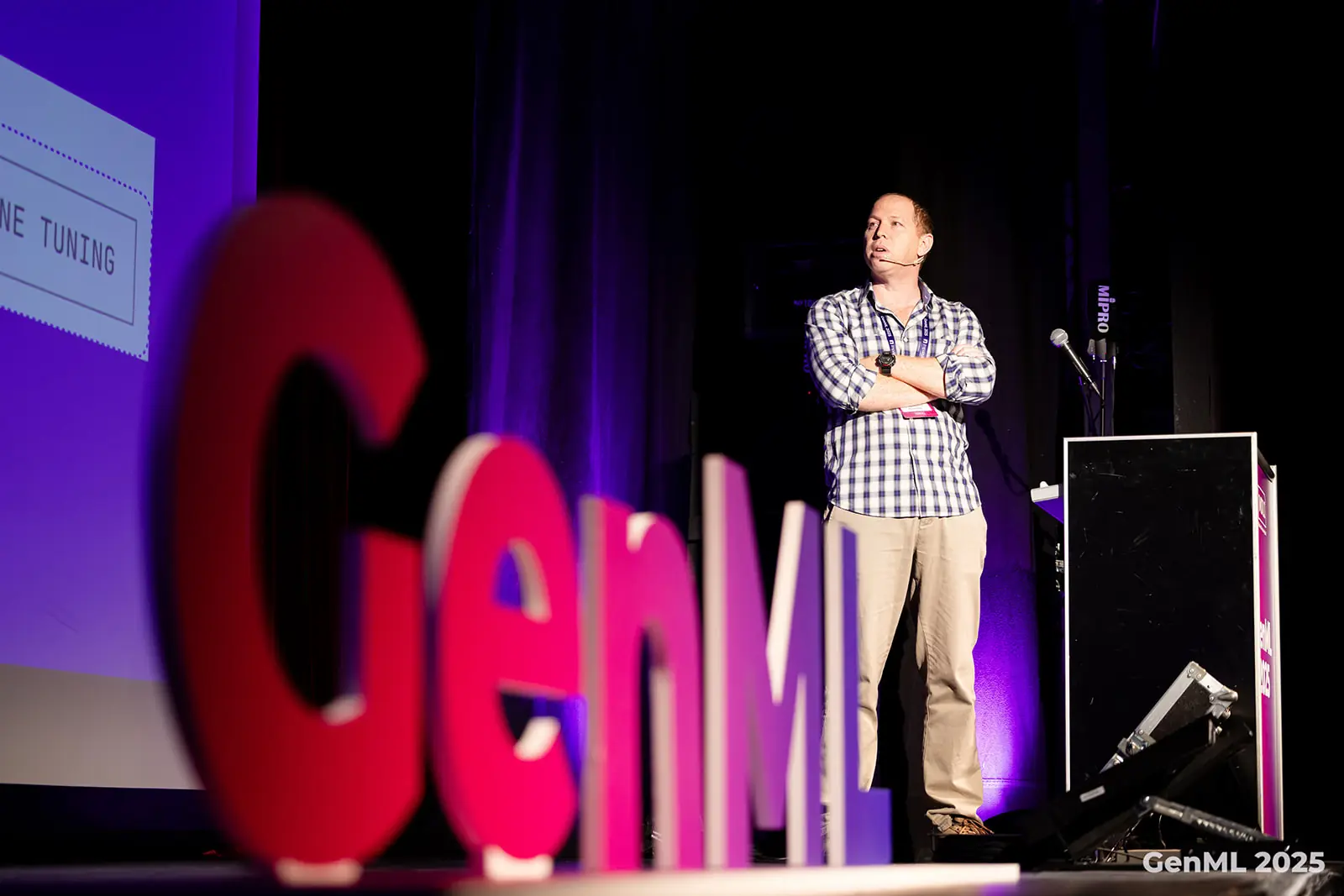
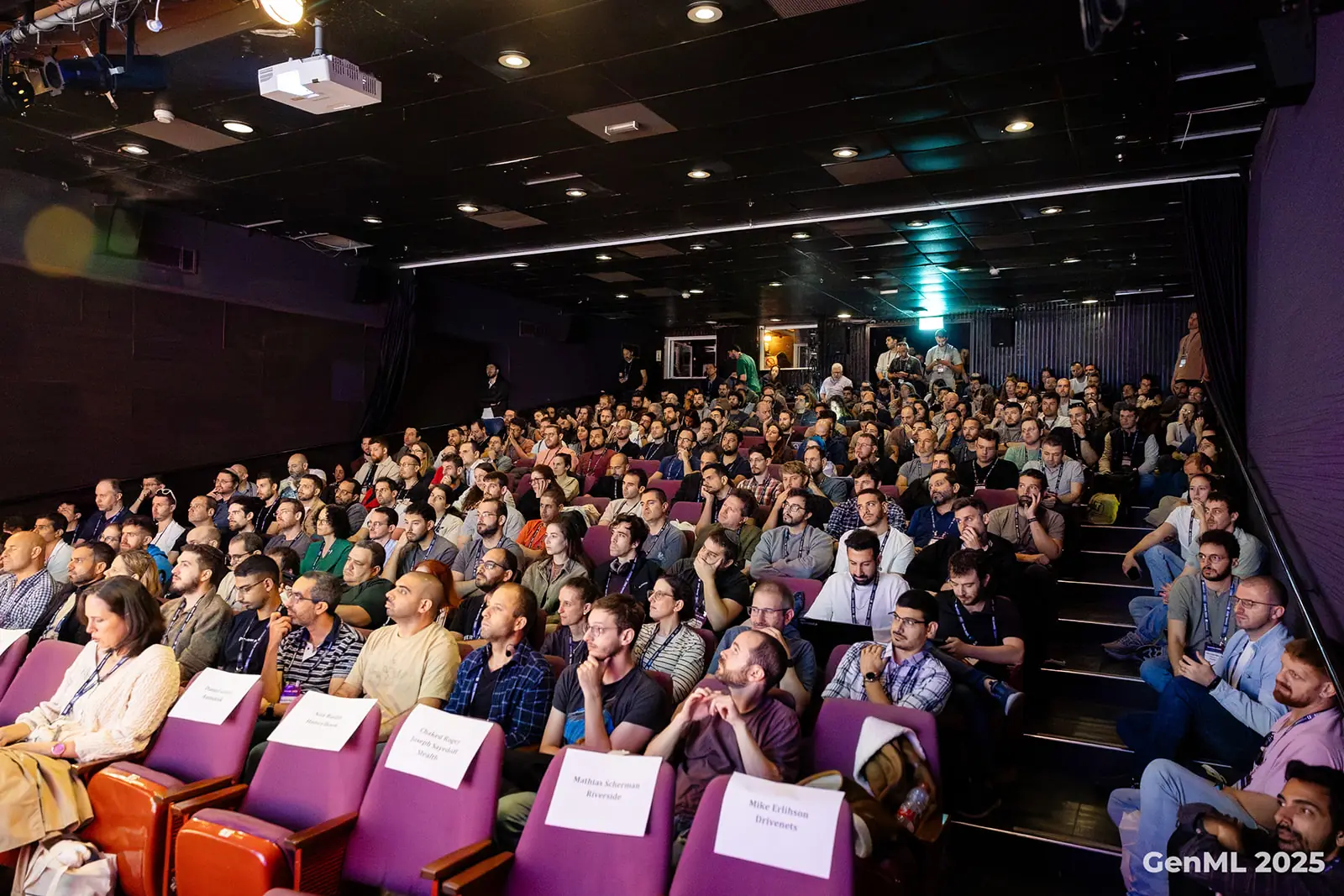
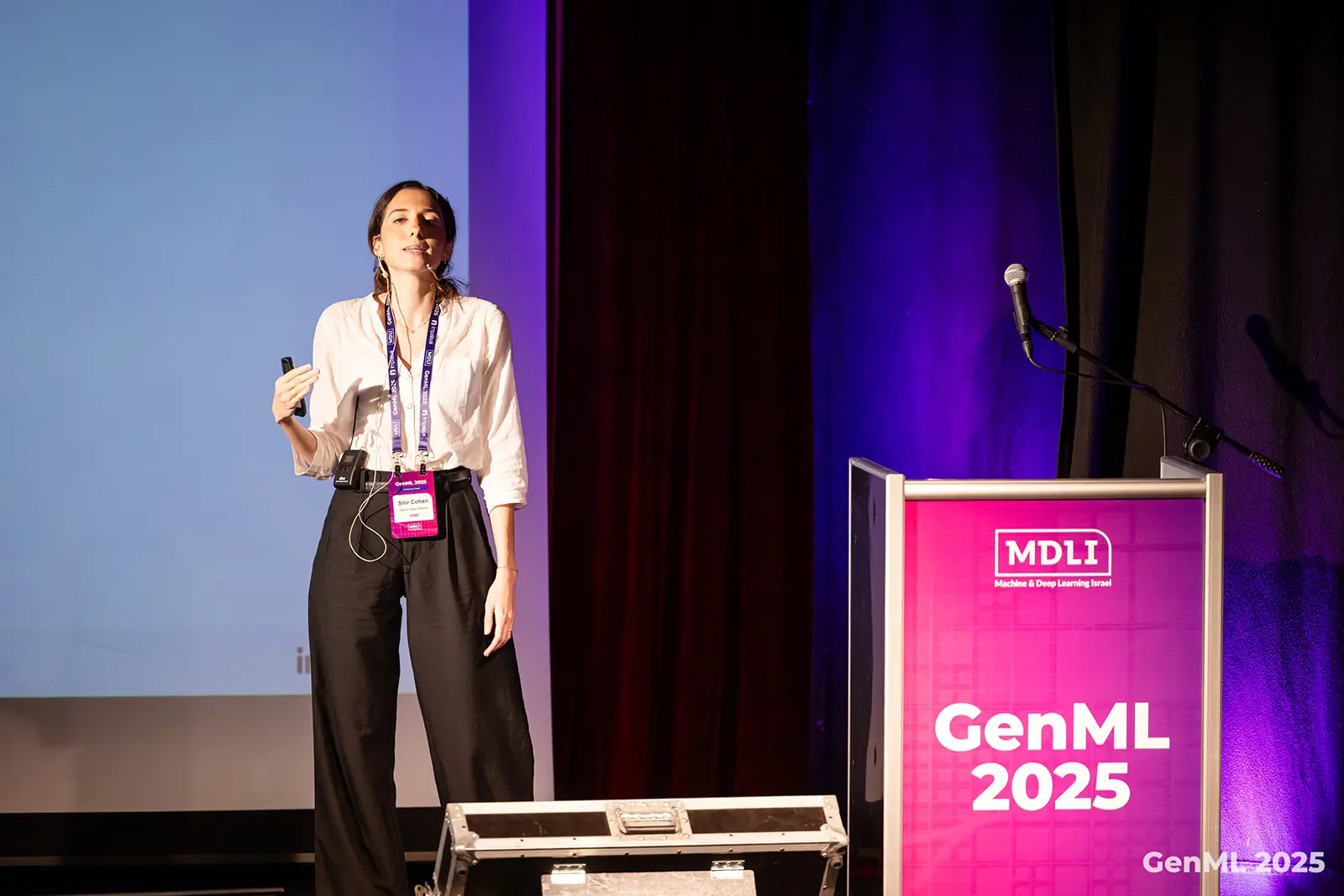
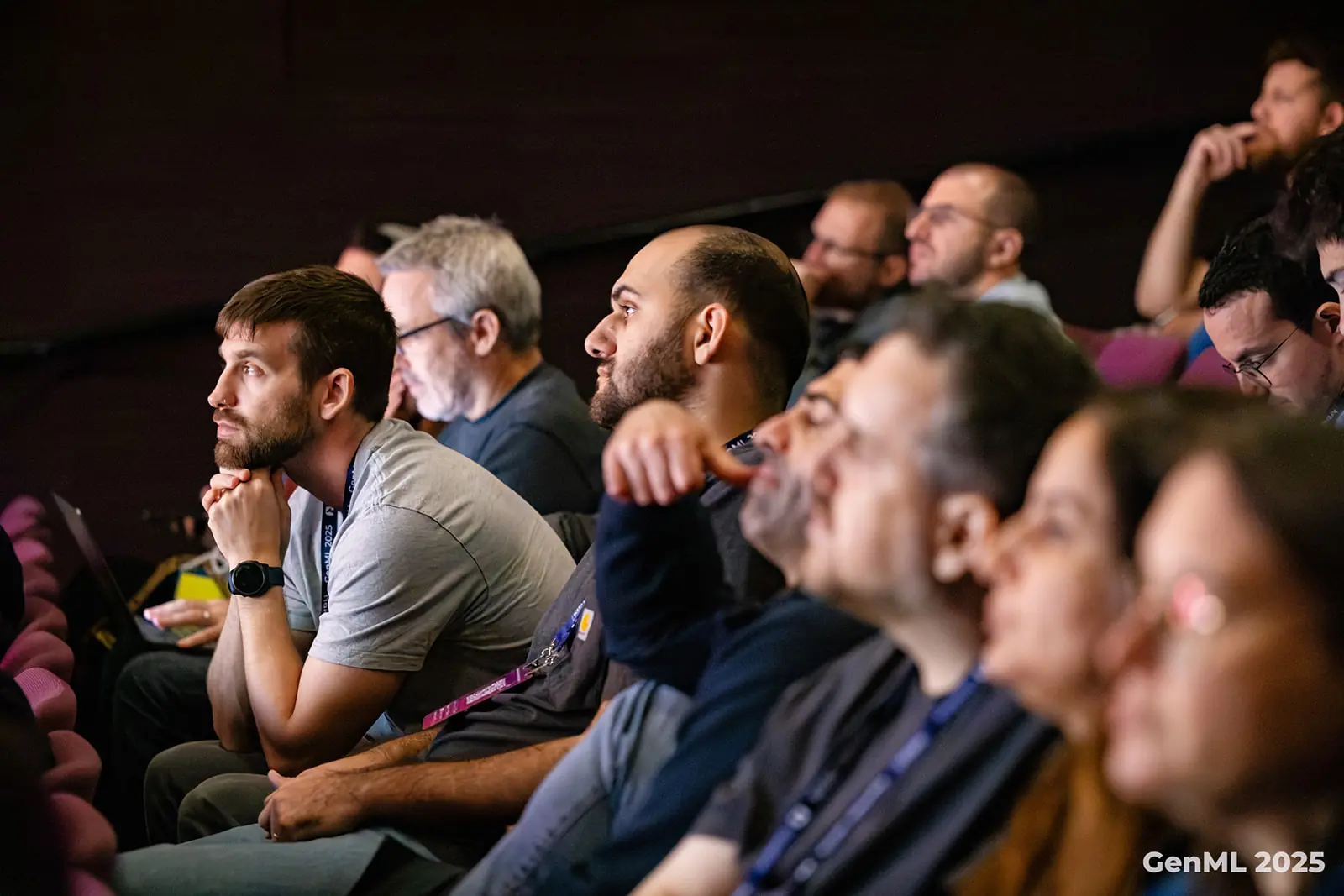
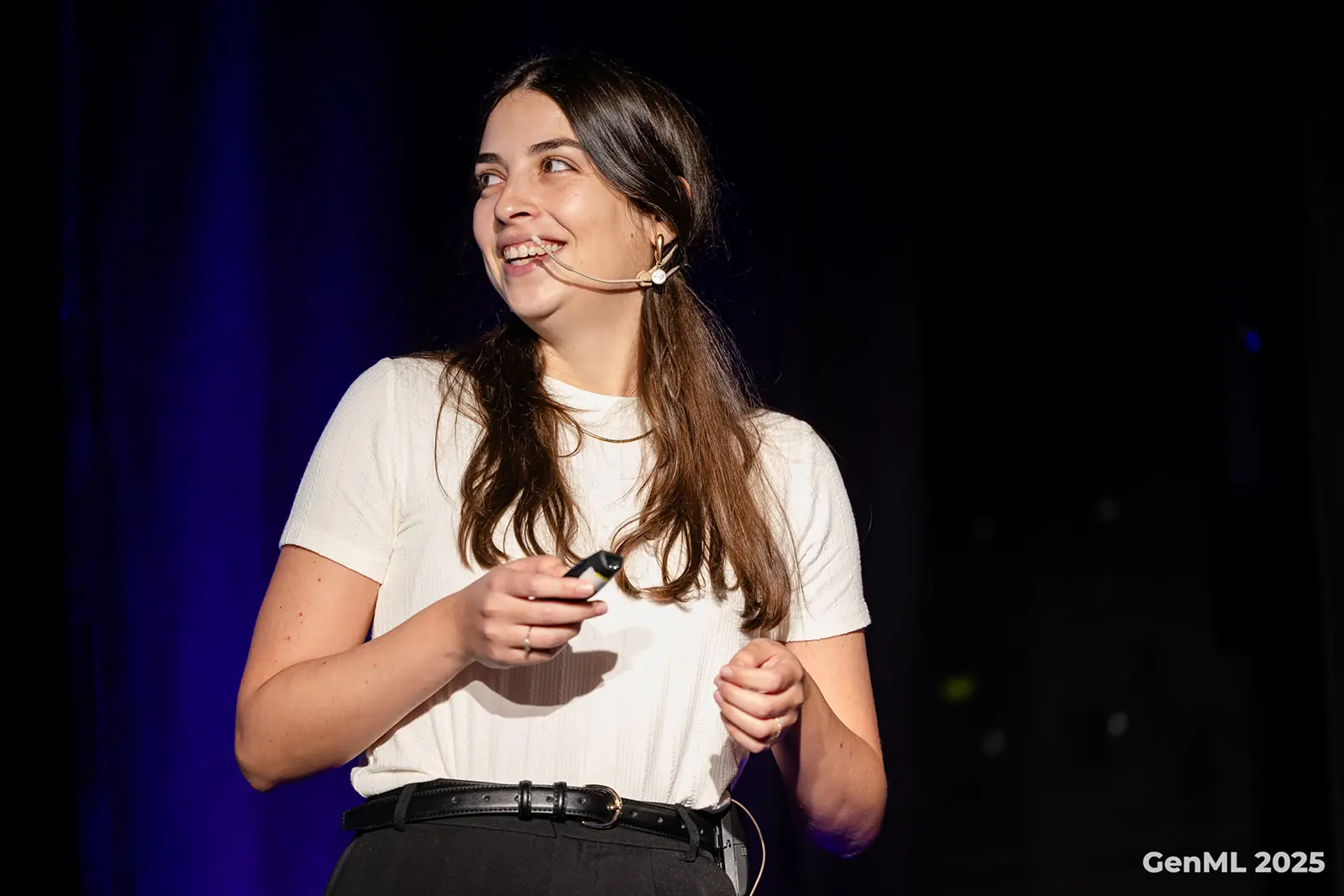
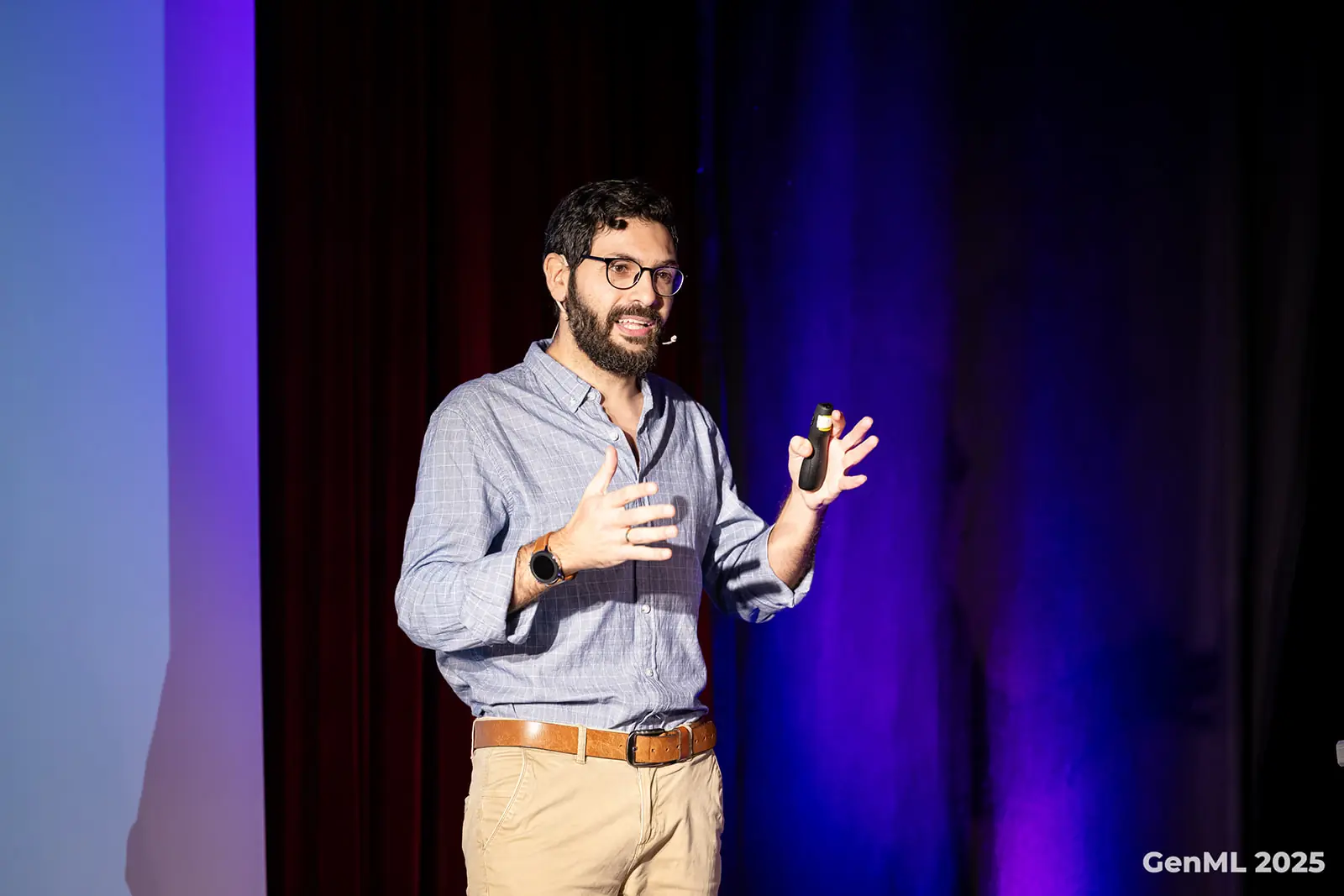
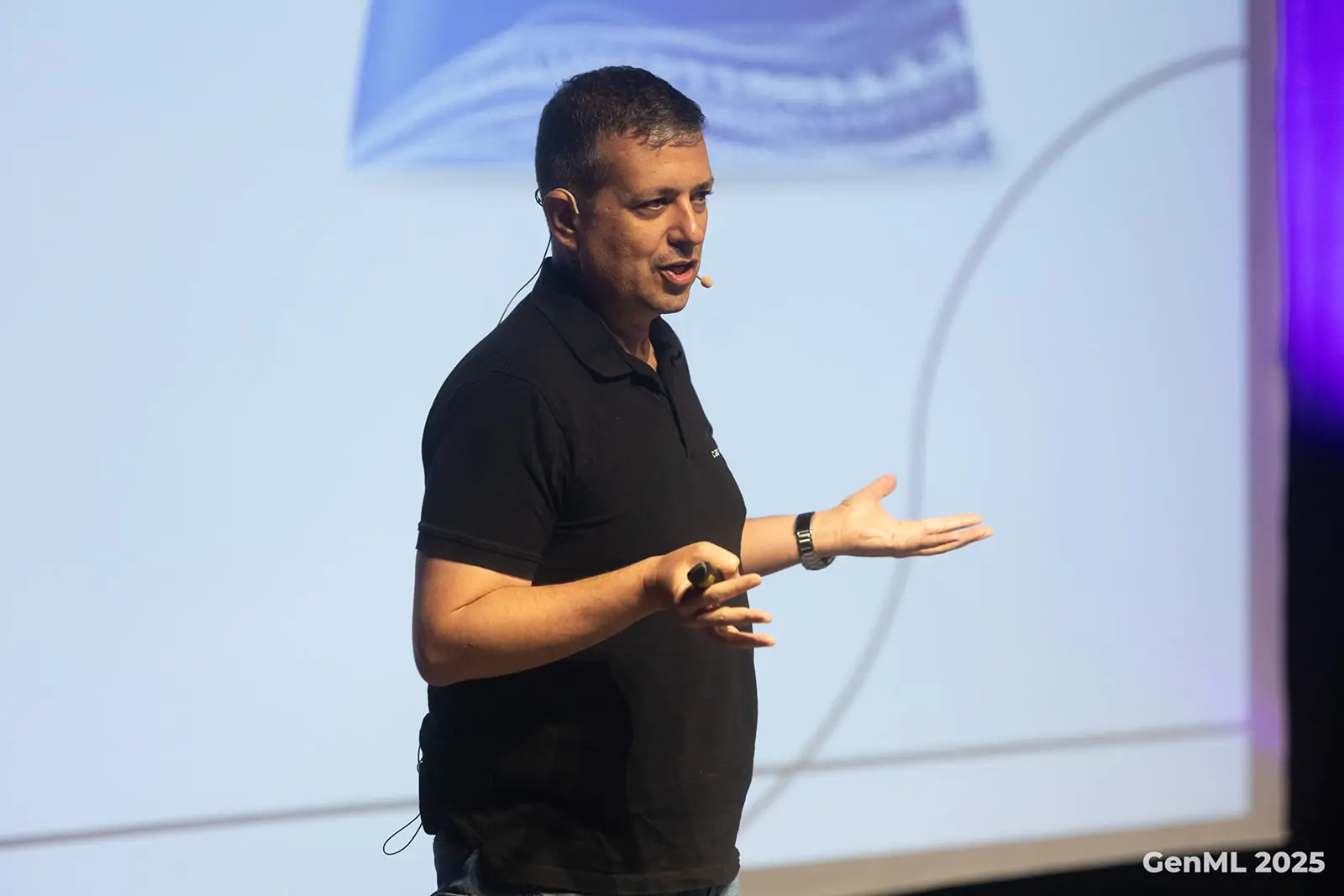
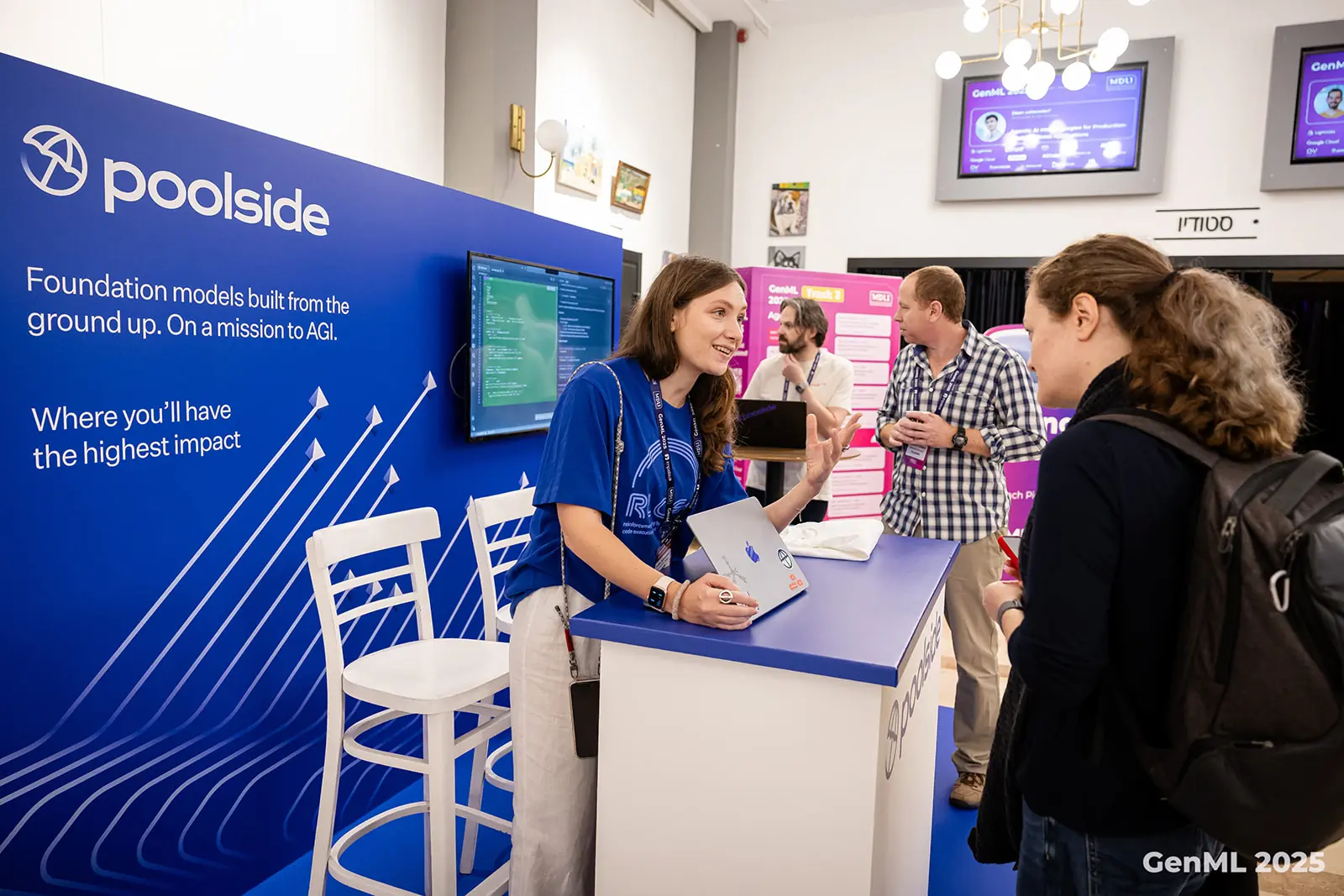
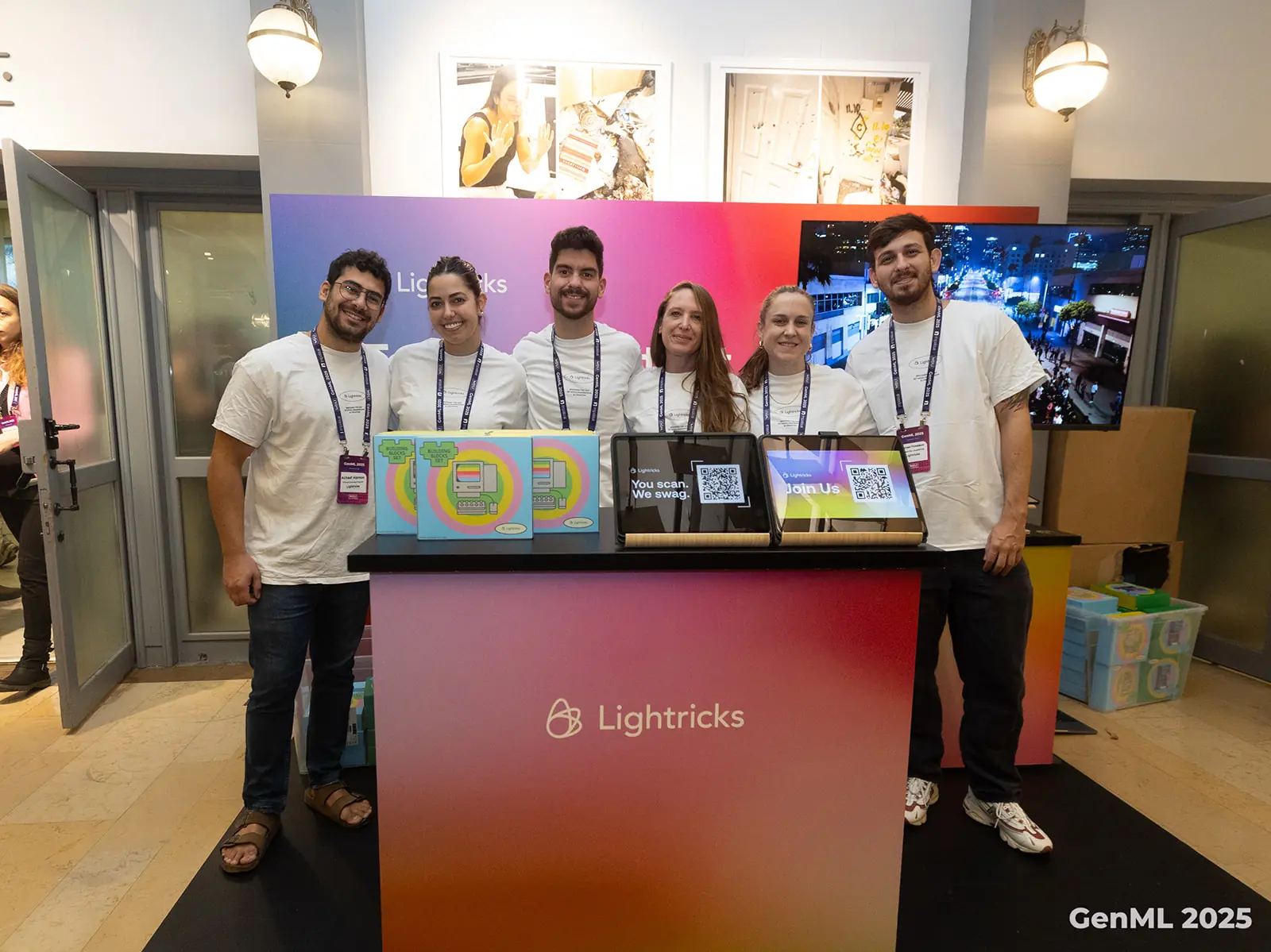
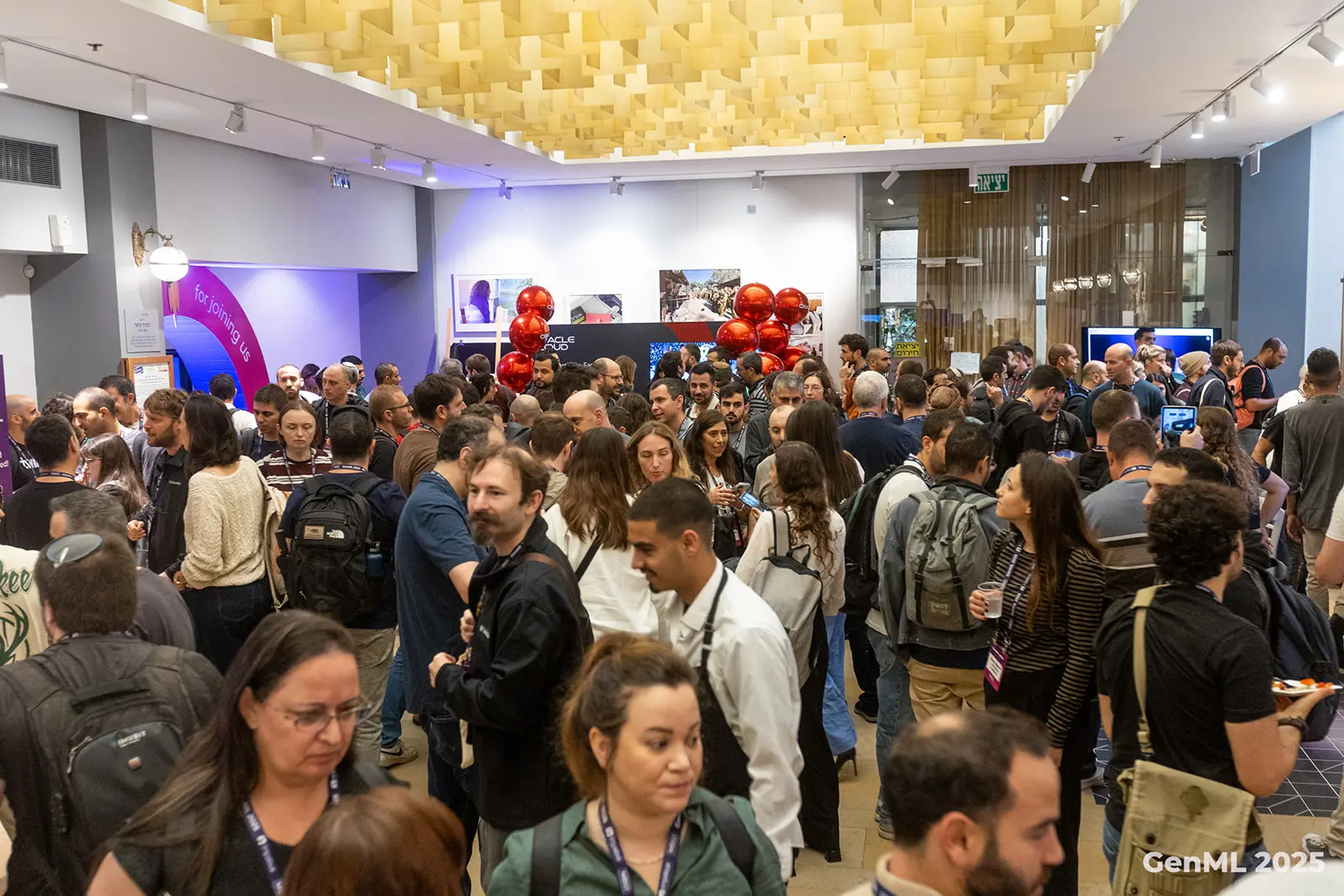
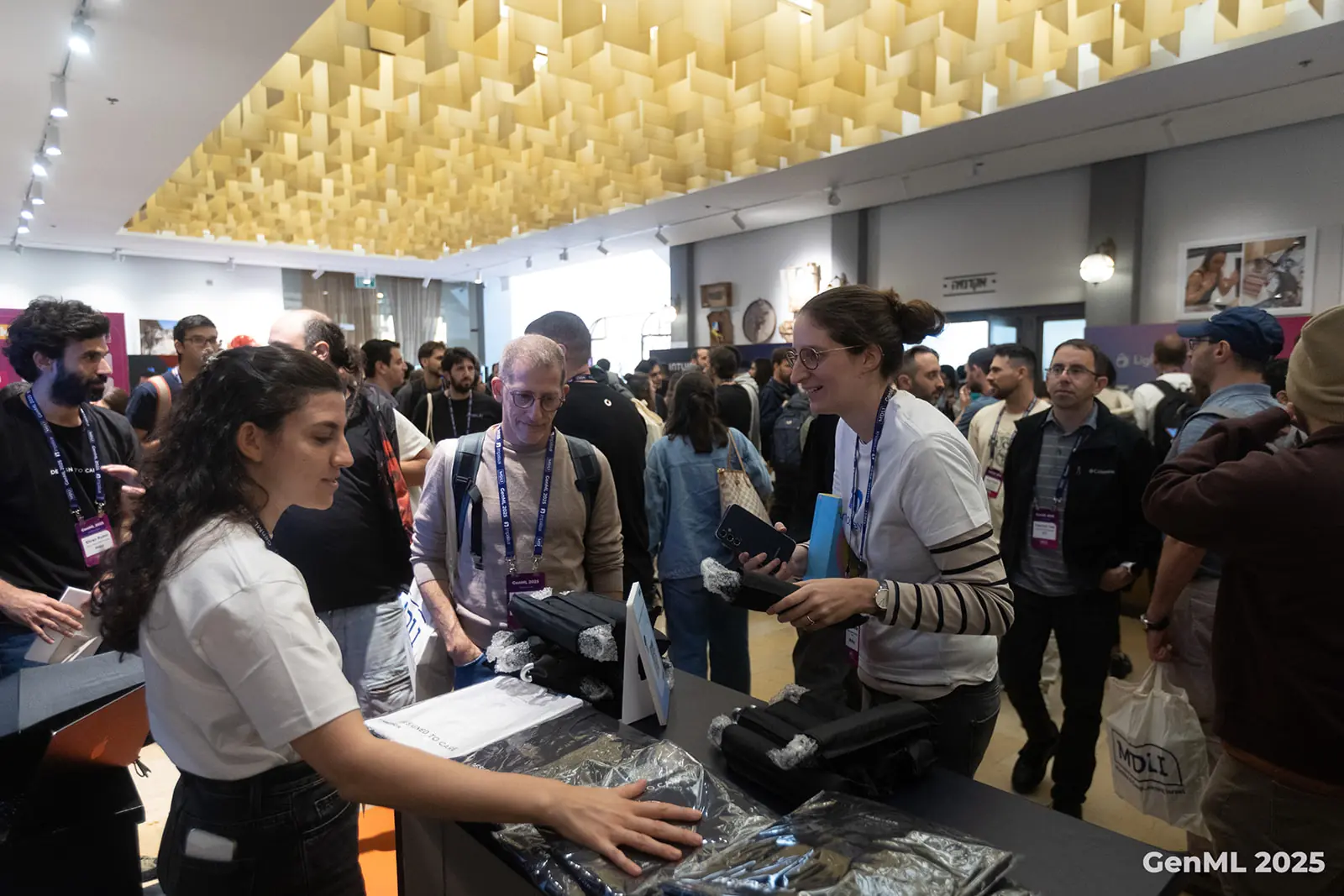
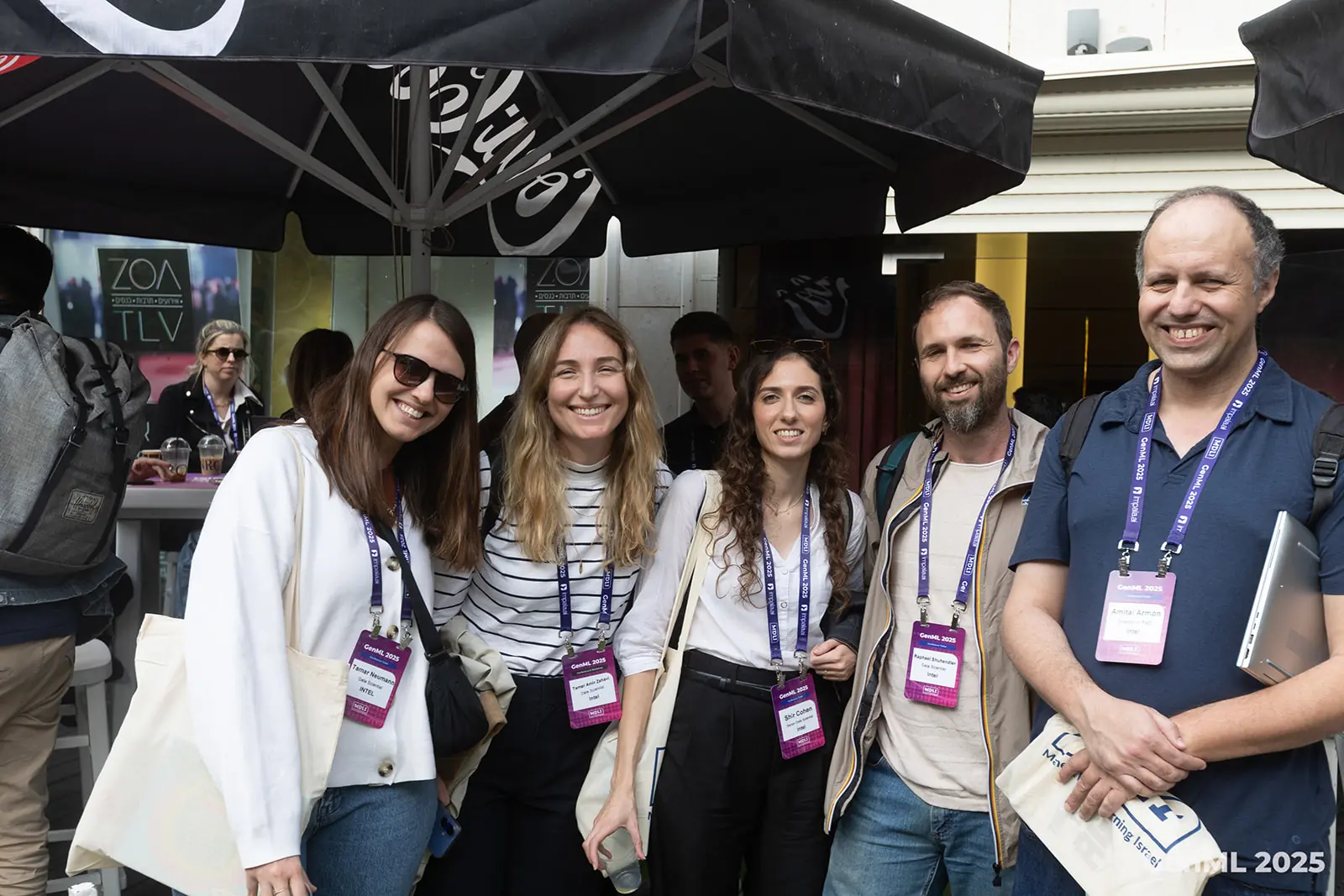
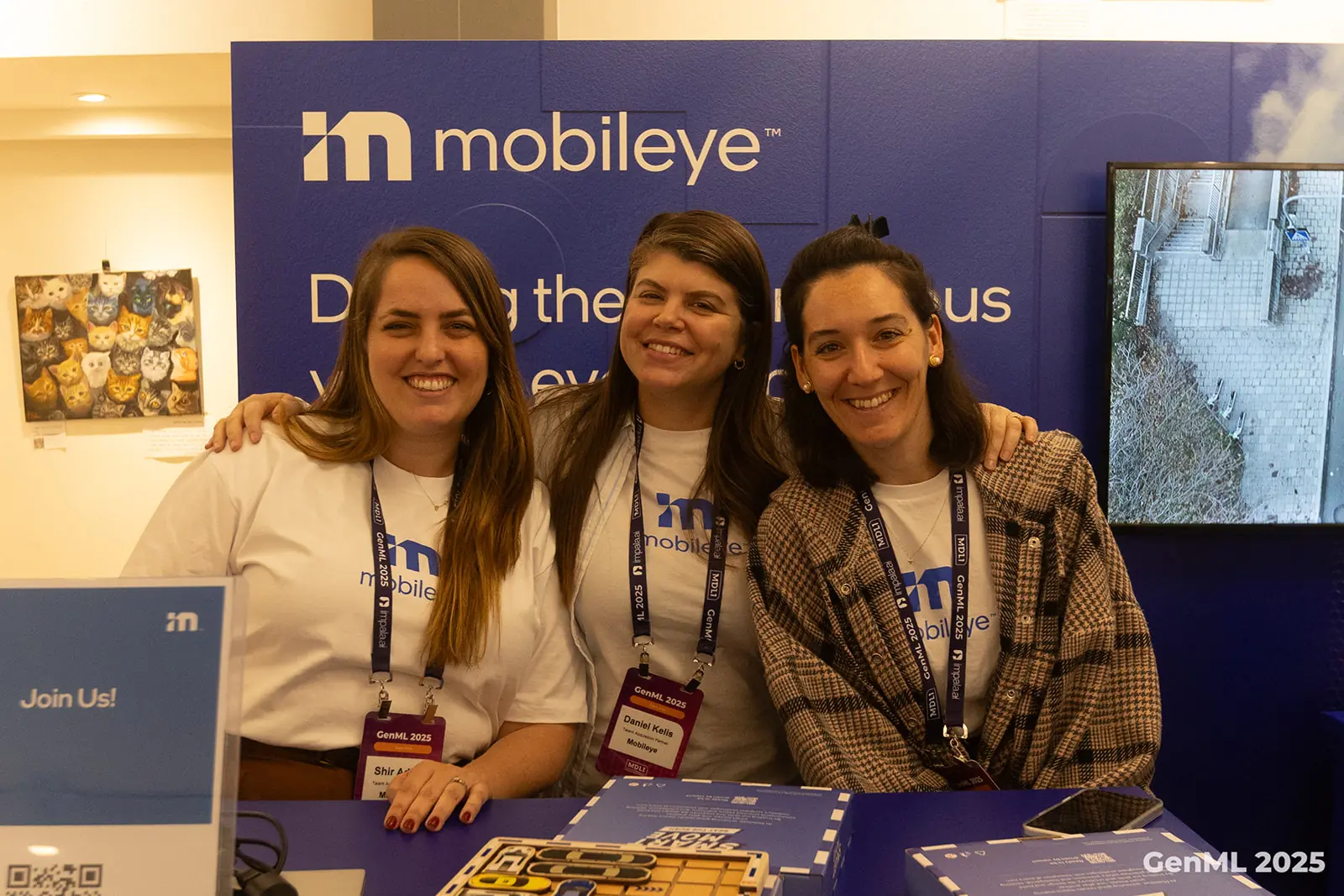
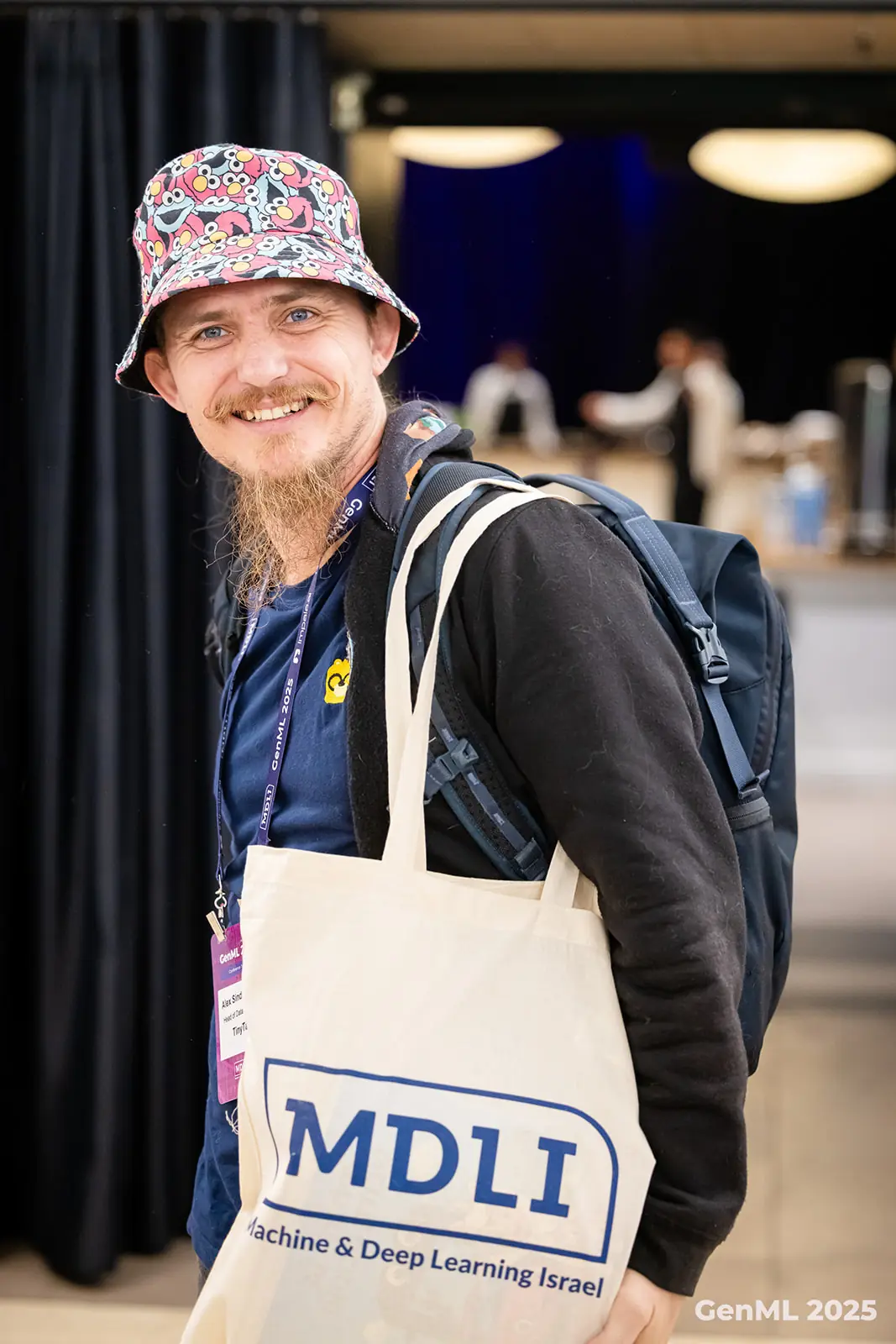
We want to thank our speakers for sharing their expertise, our sponsors for making GenML possible, and everyone who joined us and took part in the conference.
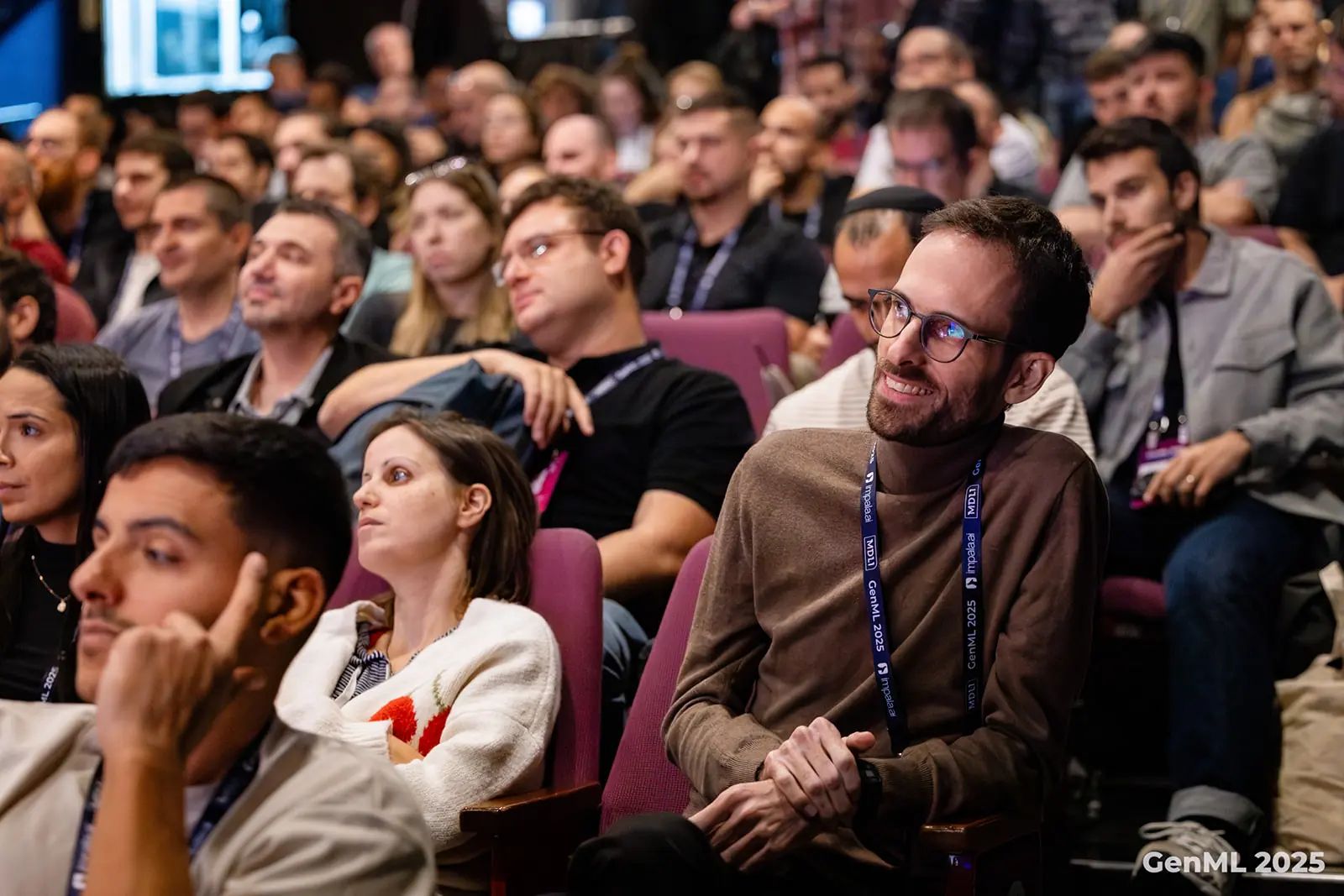
It was truly exciting to see AI researchers, data scientists, engineers, and practitioners coming together around generative AI.
We’re looking forward to seeing you at our upcoming ML community events, where we’ll continue exploring the frontiers of machine learning together.


08:30-09:30
Gathering & Mingling with Refreshments
09:30-09:35| Hebrew
Track A| Meirhof Hall- First Floor
Opening Remarks

Uri Eliabayev
Founder at MDLI
09:30-09:35
Track B| Marta Hall- Second Floor
Opening Remarks

Dean Langsam
Data Scientist at SentinelOne
09:35-10:05| Hebrew
Track A| Meirhof Hall- First Floor
The ins-and-outs of LTX Video
– The LTXV model architecture – The basic specs, what's special about it, and why we chose this.
– How do you train LTXV? – What are the components you need to train a video model, what teams need to do, and what specific technical elements?
– Examples from our experiments – some behind-the-scenes look at how different elements affect the quality of the model. Data, losses, scale.

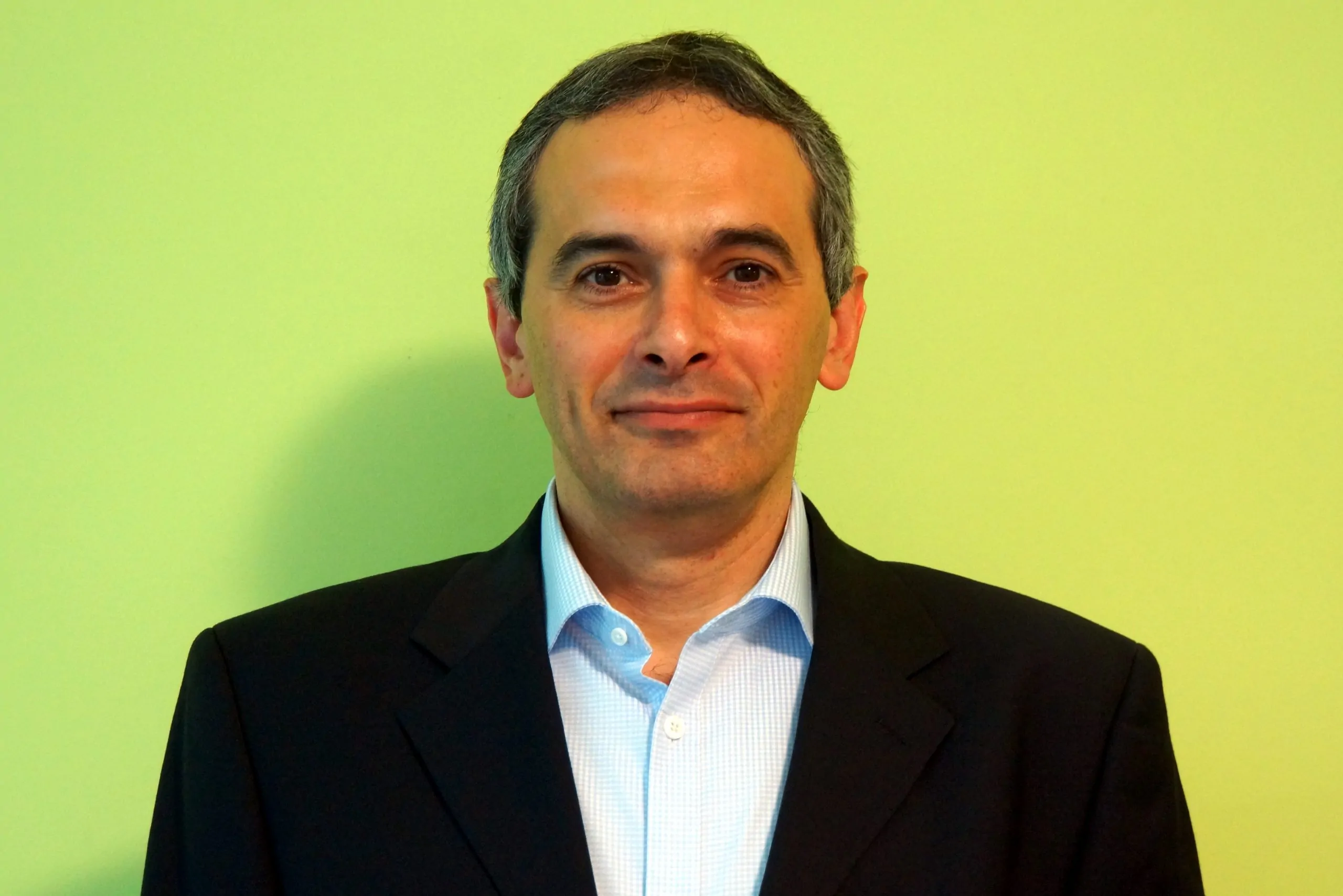
Ofir Bibi
VP Research at Lightricks
09:35-09:55| Hebrew
Track B| Marta Hall- Second Floor
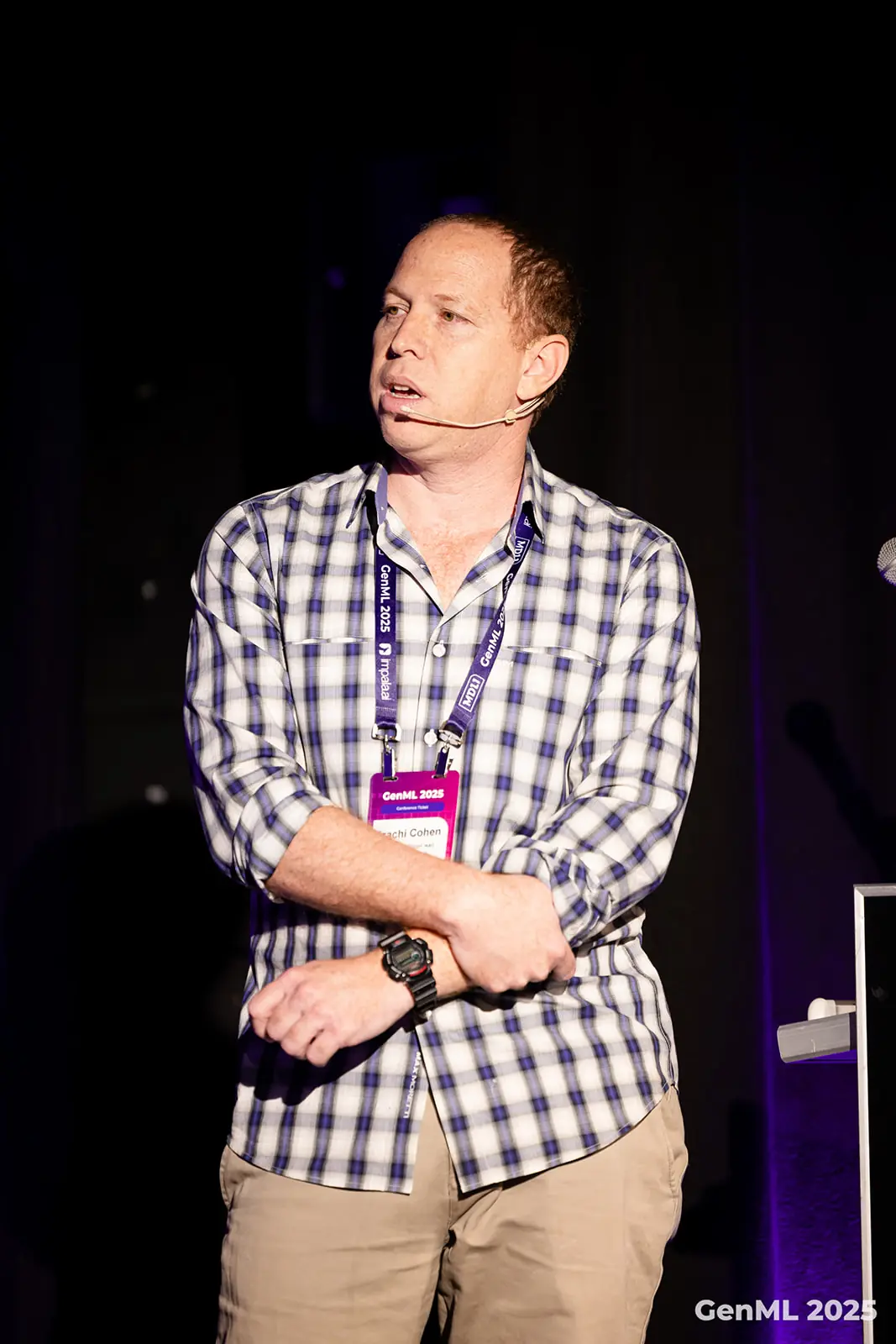
The Hidden Engineering Behind Foundation Model Building

Foundation model training requires a large amount of compute power and, traditionally, substantial manual interaction, little signal for improvement, and slow iteration times. In this talk, we will review the challenges and the engineering behind foundation model training at Poolside. We will detail the machinery we have built to automate and streamline every stage of a large-scale training process. We start by reviewing how we explore the hyper-parameter space for the optimal combination for the model. Later, we will review the compute-intensive pre-training stage and how we distribute the training workload across thousands of GPUs. We then continue to the fine-tuning stage, where we apply reinforcement learning, and conclude with the final stage of preparing the model for production.

Tzachi Cohen
Inference Team Lead at Poolside
09:55-10:15| Hebrew
Track B| Marta Hall- Second Floor
Tabular GenML: Evaluating TabPFN for Real-World Regression Problems

Pretrained transformers have revolutionized natural language and vision tasks, but can they do the same for tabular data? In this talk we’ll discuss TabPFN, a recently introduced pretrained transformer designed for tabular data predictions. We’ll present its core idea, main limitations and variants. We will then discuss its evaluation on public benchmarks, as well as our own comparison between TabPFN and its variants using real-world proprietary datasets. We’ll conclude with some practical insights and recommendations for data scientists working with tabular data.

Shir Cohen
Senior Data Scientist at Intel
10:00-13:00| Gallery Hall| Hebrew
LTX Workshop
Hands-On Workshop: Controlling & Fine-Tuning Text-to-Video Models

Unlock Your Creative Vision: Master the Art of Text-to-Video LoRA Fine-Tuning
Are you ready to take control of the latest text-to-video generation technology? This isn't just another theory course—it's a hands-on, accelerated training designed for creators, developers, and AI enthusiasts who want to move beyond generic prompts and into precise, customized video creation. You will gain the practical skills to fine-tune state-of-the-art text-to-video models using the incredibly efficient Low-Rank Adaptation (LoRA) technique, with a special focus on the cutting-edge LTXV architecture.
Why This Course?
The field of AI video is evolving at lightning speed. While prompting is powerful, true control lies in fine-tuning. This course demystifies the process, providing you with a direct, streamlined path to mastery. By focusing on LTXV, a model known for its speed and efficiency, we will show you how to achieve stunning results with minimal computational resources and time. Whether you want to adapt a model to your unique artistic style, generate consistent characters and objects, or implement advanced pose control, this course is your essential guide.

Naomi Ken Korem
Senior Researcher at Lightricks
10:05-10:35| Hebrew
Track A| Meirhof Hall- First Floor
Bedrock AgentCore Is All You Need (For AI Agents in production)

Building production-ready AI agents typically requires juggling multiple tools, complex integrations, and fragmented workflows that slow development and increase operational overhead. This session demonstrates how Amazon Bedrock AgentCore provides a unified platform that eliminates this complexity, offering everything needed to develop, deploy, and monitor AI agents at enterprise scale through a single comprehensive solution based on building blocks for your needs.

Gili Nachum
Principal Gen AI & ML Solutions Architect at AWS
10:15-10:35| Hebrew
Track B| Marta Hall- Second Floor
From Chaos to Control: Observability Practices for AI Agents

AI agents are no longer just prototypes, they are powering customer support, analytics, and decision-making in production environments. But while agents can act autonomously and chain multiple reasoning steps, tracking their behavior is far from trivial. Traditional monitoring is not enough when the system makes complex tool calls, generates unpredictable outputs, and continuously evolves.
In this talk, I’ll share hard-earned lessons from deploying AI agents in real-world production systems. We’ll cover the core challenges of observability: capturing agent traces, logging prompts and tool usage safely, monitoring costs and drift, and defining metrics that go beyond accuracy to measure reliability and trust. I’ll walk through best practices to make AI agents more transparent, debuggable, and trustworthy, before things break in production.

Tamar Didi
Senior Data Scientist at Akamai
10:35-10:55| Hebrew
Track A| Meirhof Hall- First Floor
Reasoning Models Explained - Beyond Next Token Prediction

This session explores the advancement of AI reasoning, moving beyond conventional architectures toward structured thinking and decision-making. The discussion will examine the theoretical foundations that enable models to perform complex, multi-step tasks. From an NVIDIA perspective, we will share key insights from the development of the Nemotron family of reasoning models, offering practical perspectives on current architectures and the processes behind building advanced reasoning systems.

Lior Cohen
Senior Gen AI Solutions Architect at NVIDIA
10:35-10:55| Hebrew
Track B| Marta Hall- Second Floor
Async Gone Wrong: How 5 Lines Cut LLM Costs by 90%
Your code is running fast, results look correct, but your API bill is skyrocketing. Hidden beneath the surface was a subtle async pitfall: all requests were being sent at once, even when the process stopped early. The outcome? Ten times more calls than intended, and costs are climbing out of control.
In this talk, we’ll dive into a real-world example of an LLM validation script that looked fine on the surface but was quietly sending unnecessary requests. With just five lines of Python, costs were cut by 90% while keeping performance intact. We’ll explore how async methods can silently create inefficiencies, how techniques like semaphores can control concurrency, and how being intentional about how your code runs can save massive time, money, and frustration in the long run.
The talk is based on https://towardsdatascience.com/how-we-reduced-llm-cost-by-90-with-5-lines-of-code/

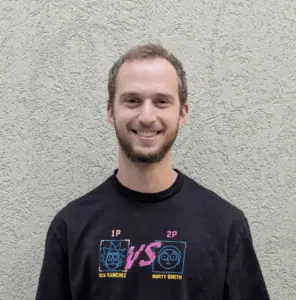
Uri Peled
Software Developer at Planck
10:55-11:25| Hebrew
Track A| Meirhof Hall- First Floor
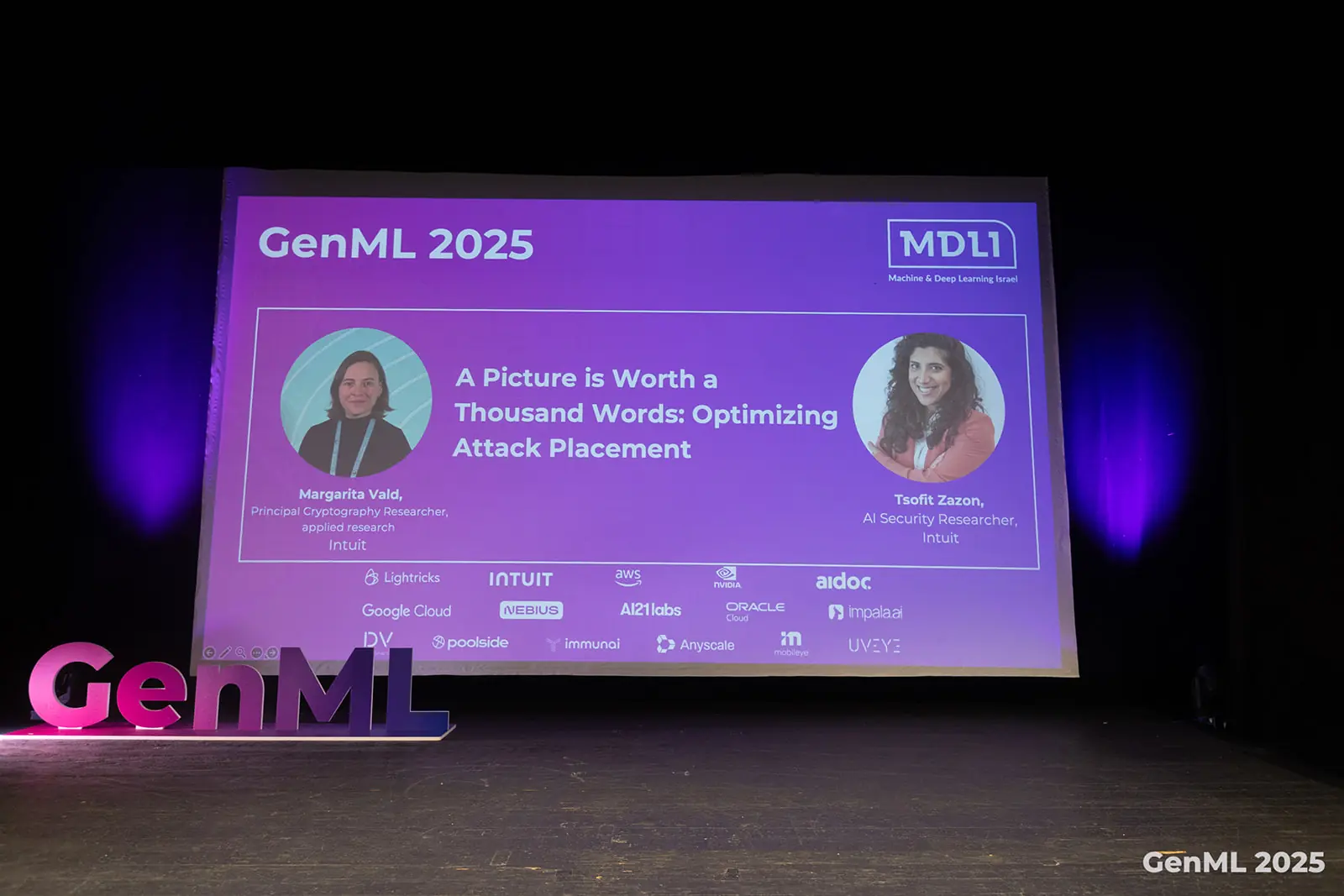
A Picture is Worth a Thousand Words: Optimizing Attack Placement

The rapid integration of Generative AI technologies, and particularly their multimodality, presents an exciting frontier for tackling complex and lengthy tasks. However, it also opens the door to potential security risks in the cybersecurity landscape. In this talk, we will delve into the security of multimodal large language models (LLMs) by demonstrating various image-based attacks on multimodal systems, illustrating the vulnerabilities these models may possess. Throughout the talk, we will be focusing on the creation of an image based heat-maps for stating where are the most sensitive points for a successful attack, and exploring those attention points from the eyes of an attacker or in other words demonstrating why they are a magnet for bad actors. These research aids not only at explaining why a set of points were successful but also expanding the researchers and engineers mindset in how to approach developing new detectors or security mechanisms in a new blue ocean such as the multimodal presents.

Tsofit Zazon
Staff AI Security Researcher at Intuit

Margarita Vald
Principal Cryptography Researcher, applied research at Intuit
10:55-11:15| Hebrew
Track B| Marta Hall- Second Floor
Inference in the Wild: Real Lessons on Scaling LLMs for Big Data
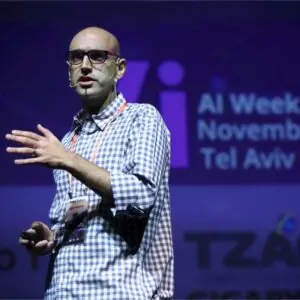
Large language models are revolutionizing how we build intelligent systems, but deploying them on massive datasets in production brings serious challenges — from runtime bottlenecks and spiraling costs to maintaining output quality at scale. In this talk, I’ll walk through a real-world case study of running LLMs over big data pipelines, sharing lessons on optimizing inference performance, managing compute costs, and ensuring accuracy.

Shaul Cohen
VP R&D at Similarweb
11:15-11:35| Hebrew
Track B| Marta Hall- Second Floor
AI That Never Sees Your Data: How We Make AI Models Run Securely on Encrypted Data

As AI systems are increasingly deployed in sensitive domains such as healthcare, finance, and security, ensuring that private data remains protected while being processed by AI systems has become a critical challenge. Homomorphic Encryption (HE) provides a powerful foundation for privacy-preserving computation, allowing models to process encrypted data without ever decrypting it.
In this talk, we introduce the principles of HE and its integration with deep learning. We discuss the challenges of adapting transformer-based architectures to operate efficiently under encryption and present recent innovations that make encrypted inference practical. Finally, we demonstrate how these methods can be applied in real-world settings where sensitive data must remain private.
This approach bridges rigorous cryptographic theory with real-world AI practice, paving the way toward trustworthy, privacy-preserving AI systems.

Moran Baruch, PhD
AI and Security Research Team Lead at IBM Research
11:25-11:45| Hebrew
Track A| Meirhof Hall- First Floor
Developing the world's largest clinical Foundation Model
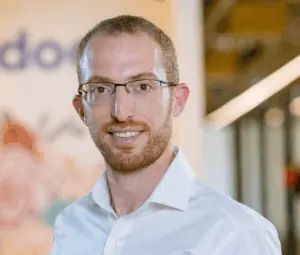
Aidoc has recently developed one of the largest and most advanced clinical foundation models in
healthcare, setting a new benchmark for accuracy and scale in the industry.
That was made after Aidoc refined its supervised learning approach over the past 9 years,
bringing it to a level of maximum efficiency, which has enabled the company to develop 3–4

Idan Bassuk
Chief R&D and AI Officer at Aidoc
11:35-12:15
Coffee Break
12:20-12:40| Hebrew
Track A| Meirhof Hall- First Floor
Let's Build A Teacher's Grading AI Agent!

In this talk we will embark on a journey to build an AI agent designed to assist teachers with grading. Although the task appears simple, it harbors significant underlying complexities, which will be demonstrated when building it with leading AI agent frameworks. Ultimately, we will demonstrate how AI21 Maestro's unique capabilities are leveraged to effectively address this problem.

Yehoshua (Shuki) Cohen
VP Data & AI Evangelist at AI21
12:20-12:40| Hebrew
Track B| Marta Hall- Second Floor
Lessons Learned from Shipping ML Products in the Age of Hype

AI hype is everywhere. After four years of building production-tested AI products, I still have to explain that LLMs aren't a drop-in fixes for classic data problems.
Amidst the buzz, it’s easy to overengineer – turning every retrieval task into a complex RAG-flow and every collection of documents into a knowledge-graph.
Teams struggle with over-complicated solutions where classical tools would suffice, mistaking similarity for relevance, or betting big on agentic flows when bag-of-tricks NLP would save time and budget. Meanwhile, costs drop but technical debt grows, as data curation, cleaning, and operational know-how are neglected for architecture debates and API wrappers.
Instead of just highlighting the common pitfalls, this talk offers concrete, field-tested alternatives; Simple Python for complex retrieval, lightweight NLP, and cost-effective labeling. Attendees will discover how embracing practicality over hype can lead to more robust, impactful, and maintainable AI products.

Nir Ben Zvi
Deep Learning Applied Researcher at Freelancer
12:40-13:00| Hebrew
Track A| Meirhof Hall- First Floor
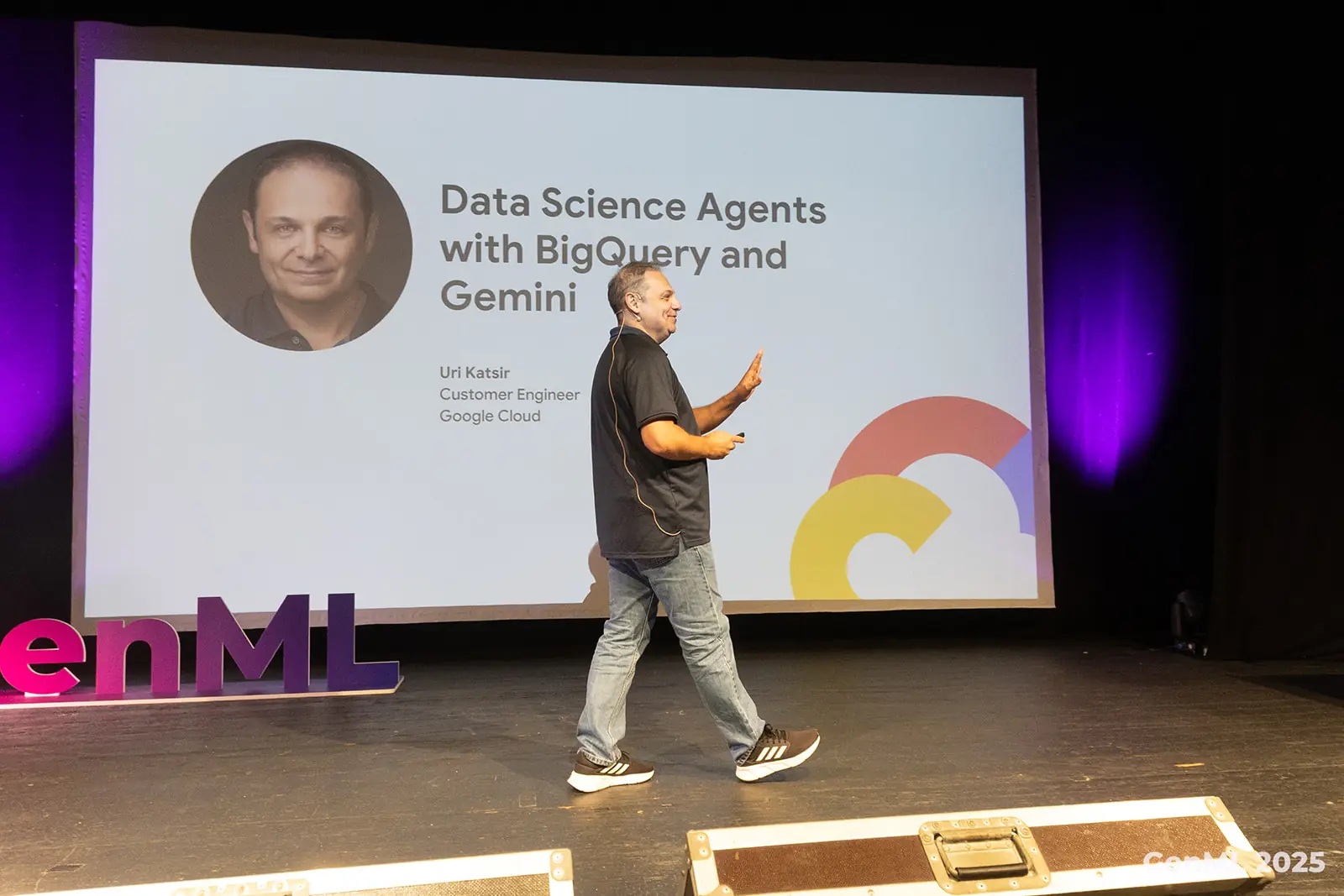
Data Science Agents with BigQuery and Gemini

The BigQuery Data Science Agent is an AI-powered tool designed to assist data scientists and analysts with their workflows. It leverages LLMs like Gemini to understand natural language prompts and automate various data science tasks.
This session will show how this innovative tool, powered by Gemini, streamlines data science workflows through intuitive natural language interaction, empowering both data scientists and analysts to achieve more with less effort.

Uri Katsir
Customer Engineer at Google Cloud
12:40-13:00| Hebrew
Track B| Marta Hall- Second Floor
Seamless Dev+ Research Collaboration using Workflow Orchestration

In verbit we use temporal workflows for ML pipelines, with engineering and research collaborating on them together, in a seamless manner. We've essentially created a "plugin" system for ML algorithms that runs in production, allowing research to continuously "upgrade" our algorithms without needing to touch engineering team production code, and vice versa. This allows both for engineering to run fast with initial ideas, and research to run more incrementally without creating a bottleneck in the product delivery pipeline.

Roy Osherove
Chief Architect at Verbit.ai

Rachel Sorek
Head of Research at Verbit.ai
13:00-13:20| Hebrew
Track A| Meirhof Hall- First Floor
Agentic AI Methodologies for Production-Grade business applications
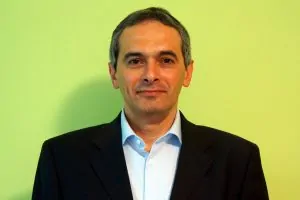
For enterprise-scale applications serving the world's largest companies, the risk of AI hallucinations and inaccurate outputs is significantly amplified.
The challenge is to plan a methodology that enables the creation of complex, open, and highly customizable AI agents without sacrificing critical requirements like ease-of-use, secure data access, and prompt monitoring.
Oracle’s Fusion & NetSuite solutions, include such methodology as they heavily integrate AI agents.

Boris Dahav
Data, Analytics & AI Domain Specialist at IMOD Division, Oracle

Yohay Asraf
Senior ERPM Solution Engineer at Oracle
13:00-13:20| Hebrew
Track B| Marta Hall- Second Floor
Bedrock Knowledge Bases and RAG for visually rich documents

In construction, critical project information is often buried in visually rich formats (architectural drawings, CAD exports, specification sheets etc), rather than clean, well-organized text. These files hold essential details for design, compliance, and execution, yet their visual complexity makes them difficult to search or integrate into AI workflows.
Using AWS Bedrock Knowledge Bases, we can transform these complex documents into structured, queryable data and power Retrieval-Augmented Generation (RAG) workflows. This session will cover parsing visual elements into text, enriching them with metadata, and tuning Bedrock KB for precise, reliable retrieval.
The result is a living knowledge base that turns raw construction data into opportunities for dozens of AI-driven capabilities. Attendees will take away practical methods for ingestion, retrieval optimization, and integration of visually rich data, unlocking a whole new world of opportunities for them.

Daniel Golub
Tech lead & Principal Engineer at Autodesk
13:20-13:40| Hebrew
Track A| Meirhof Hall- First Floor
The Missing Layer: Understanding Documents Beyond Data Elements

For years, data security and data understanding have focused on extracting patterns, the “trees” in the forest, entities, tokens, regular expressions. But many of the world’s most sensitive or valuable files contain none of these clues. A board meeting summary, a product roadmap or a clinical protocol each convey meaning beyond any single data element.
In this talk, we present a generative AI approach to file-level classification: a model that infers what a document is rather than what it contains. Our research combines foundation-model fine-tuning with large-scale generative auto-labeling, and novel data processing techniques that preserve semantic variation while removing redundancy. The result is a classifier that can describe previously unseen document types, cluster emergent concepts across domains, and adapt data sensitivity to organizational context, all without predefined label sets or per-tenant training.
This work demonstrates how leveraging LLMs, domain fine-tuning, and dataset engineering enables systems that not only see the trees, but finally understand the forest

Shiran Bareli
VP Research at Cyera
13:20-13:40| Hebrew
Track B| Marta Hall- Second Floor
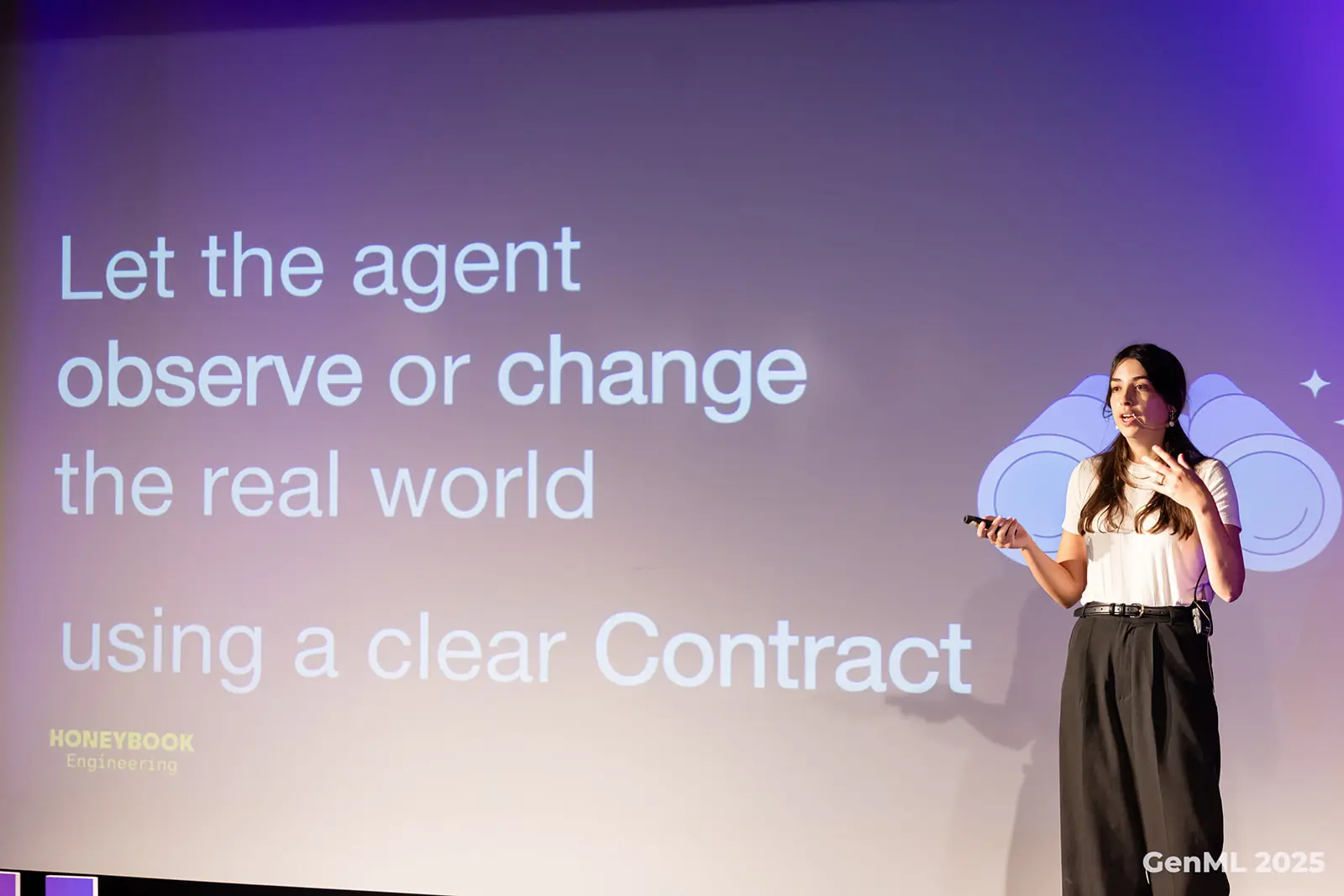
From Quiz to Conversation: Engineering Production-Ready Onboarding Agents
Everyone is excited about conversational AI. Everyone is implementing their own chatbots, until they have to make a conversation behave in production.
Replacing a rigid, quiz-style signup with a dynamic onboarding chat sounds great, but executing it is far from simple. It requires designing a conversation that adapts dynamically, collects data, run actions, and completes all of this within a reasonable timeframe. The real headache isn’t “adding an LLM”; it’s the engineering of an agent that can make decisions, and acts on them using automatic tool triggering, which includes presenting actual assets during the conversation.
In this talk, I’ll show how we treated onboarding as a conversation-engineering problem and shipped a production agent using our internal Python-based Agents SDK. We'll walk through the core building blocks and key considerations of creating and maintaining a real-world onboarding agent in production. By the end of the talk you will learn how to structure conversation flows that adapt dynamically, and how to engineer your agent to reliably achieve specific conversational goals.

Noa Radin
Senior Data Scientist at HoneyBook
13:40-14:00| Hebrew
Track A| Meirhof Hall- First Floor
What We Learned From Building Live Video Models

Dean Leitersdorf
Co-Founder & CEO at Decart
13:40-15:00
Lunch Break
15:05-15:25| Hebrew
Track A| Meirhof Hall- First Floor
Few Labels, No Fine-Tuning: Rapid Creation of LLM Classifiers

Training production-grade classifiers usually demands large labeled datasets – costly in both money and time. We present a practical framework that builds high-quality, task-specific classifiers by optimizing the prompt of a state-of-the-art LLM without retraining or fine-tuning. This is done by treating the prompt as a learnable parameter vector and refining it iteratively through designed loss signals.
This mindset shift enables rapid creation of classifiers that consistently outperform hand-crafted baselines, leading to significantly shortened model development cycles and improved performance – without requiring specialized hardware.
Attendees will learn how to formulate effective loss signals for prompt optimization, design a robust automated framework, and operationalize guardrails and evaluation so that a "few labeled examples + simple criteria" reliably become scalable, accurate classifiers.

Rafael Sultanov
Data Scientist at DoubleVerify
15:05-15:25| Hebrew
Track B| Marta Hall- Second Floor
SLMs are WAY too big

In this talk we will showcase SLMs and their different architecture.
We will start by analyzing the current market state of SLMs vs LLMs, what triggers companies to make the transition and what needs to be considered when doing so. We will show how to train SLMs, discuss current challenges, and explain how knowledge distillation can be used to overcome them. Then, we will examine the different SLMs architectures, encoder-only (bi-directional) vs decoder-only (autoregressive) models, and demonstrate on what use cases encoders prevail.

Chaked Roger Joseph Sayedoff
CEO at Specific AI
15:25-15:45| English
Track A| Meirhof Hall- First Floor
Towards a foundation model of the immune system

David Brocks
Director of Computational Biology at Immunai
15:25-15:45| Hebrew
Track B| Marta Hall- Second Floor
Teaching LLMs with RL: From Scratch to GRPO and Beyond

Training powerful and aligned large language models (LLMs) remains a significant challenge for real-world applications. While Proximal Policy Optimization (PPO) is foundational in RLHF, it faces hurdles in reward model reliability and sample efficiency. This session will trace the journey from SFT to Group Relative Policy Optimization (GRPO) and beyond through classical PPO, offering improvements in stability and learning efficiency. Crucially, we will delve into the frontier of Reinforcement Learning with verifiable rewards for LLMs, demonstrating how to integrate objective, programmatic, and tool-based feedback. This approach moves beyond subjective human preferences to achieve provably correct and interpretable LLM reasoning behaviors. Attendees will gain actionable insights into building robust, interpretable, and truly aligned LLM-anchored systems.

Mike Erlihson
Head of Ai at Drivenets
15:45-16:05| English
Track A| Meirhof Hall- First Floor
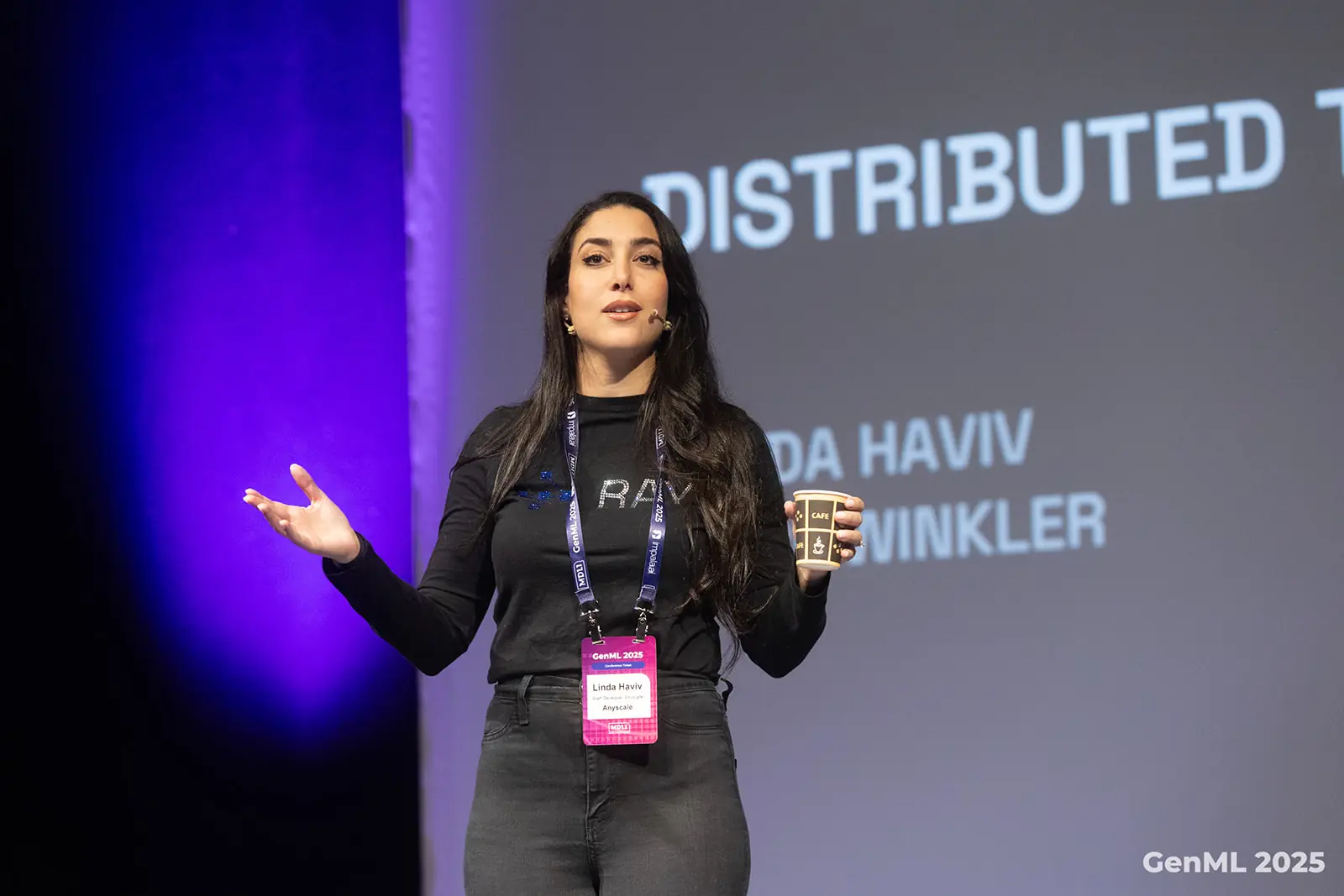
Distributed Training at Scale

Carl Winkler
Field Engineering at Anyscale

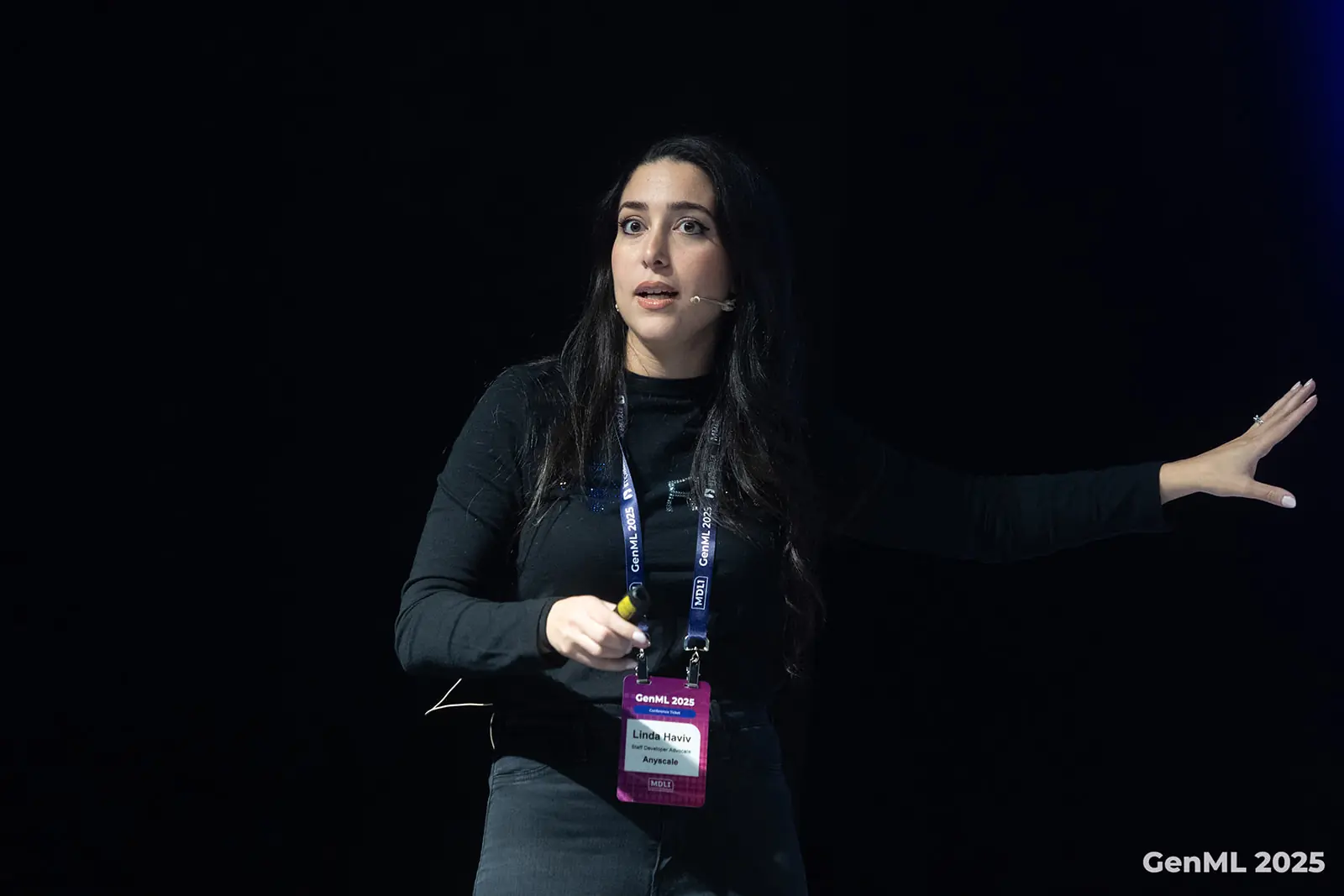
Linda Haviv
Staff Developer Advocate at Anyscale
15:45-16:05| Hebrew
Track B| Marta Hall- Second Floor
Agents Unleashed: Security Risks in the Age of Autonomous AI
Agentic AI unlocks powerful new possibilities – autonomous decision-making, adaptive workflows, and dynamic interaction with the digital world. But with this autonomy comes a profound reshaping of the attack surface. In this talk, we’ll explore the emerging threat landscape through the lens of the OWASP Top 10 for AI agents, highlighting vulnerabilities unique to systems that can plan, act, and learn on their own. We’ll dive into how frameworks like MCP and tools for autonomous web scraping, such as Amazon Operator, are accelerating both innovation and risk. Finally, we’ll close with a brief discussion of defenses – what builders and practitioners must do today to secure their agentic systems.

Itsik Mantin
Head of AI Security Research at Intuit
16:05-16:25| Hebrew
Track A| Meirhof Hall- First Floor
Demystifying MCP Communication: A Deep Dive into Transport Layers, Failures, and Fixes

The 2025 buzz around the Model Context Protocol (MCP) highlights its role in enabling AI models to connect securely with external tools and data via standardized protocols. But how does the underlying communication really work?
In this session, we'll explore MCP's transport layer, focusing on STDIO and Streams. Attendees will uncover the principles driving seamless integrations, common failure points (e.g., stream disruptions in real-time AI agents), and troubleshooting strategies, such as error handling and retries.
Through code examples and live demos, gain actionable insights to build robust MCP implementations, ensuring reliable interactions between AI tools and your LLM.

Ran Bar-Zik
Senior Software Architect at Palo Alto
16:05-16:25| Hebrew
Track B| Marta Hall- Second Floor
Efficient Training, Fast Inference: Reducing Memory Requirements and Inference Time of Foundation Models

In this talk, I will discuss our ongoing efforts to make the training and adaptation of large foundation models more efficient and accessible. While foundation models (such as GPT5) achieve impressive performance, they require substantial memory and computational resources, limiting their broader application. I will present several recent methods that reduce training memory, accelerate convergence, and lower inference costs while preserving predictive accuracy. These include techniques that exploit the low-rank structure of gradient updates to enable memory-efficient fine-tuning, as well as methods that apply structured sparsity to identify compact and effective subnetworks within large models. Together, these advances enable the training, fine-tuning, and deployment of large models more quickly and efficiently, supporting a broader range of research and industry applications.

Ofir Lindenbaum
Assistant professor at Bar Ilan University
16:25-16:30
Track A| Meirhof Hall- First Floor
Closing Remarks

Uri Eliabayev
Founder at MDLI
16:25-16:30
Track B| Marta Hall- Second Floor
Closing remarks

Dean Langsam
Data Scientist at SentinelOne
08:30-09:30
Gathering & Mingling with Refreshments
09:30-09:35| Hebrew
Opening Remarks

Uri Eliabayev
Founder at MDLI
09:35-10:05| Hebrew
The ins-and-outs of LTX Video
– The LTXV model architecture – The basic specs, what's special about it, and why we chose this.
– How do you train LTXV? – What are the components you need to train a video model, what teams need to do, and what specific technical elements?
– Examples from our experiments – some behind-the-scenes look at how different elements affect the quality of the model. Data, losses, scale.

Ofir Bibi
VP Research at Lightricks
10:05-10:35| Hebrew
Bedrock AgentCore Is All You Need (For AI Agents in production)
Building production-ready AI agents typically requires juggling multiple tools, complex integrations, and fragmented workflows that slow development and increase operational overhead. This session demonstrates how Amazon Bedrock AgentCore provides a unified platform that eliminates this complexity, offering everything needed to develop, deploy, and monitor AI agents at enterprise scale through a single comprehensive solution based on building blocks for your needs.

Gili Nachum
Principal Gen AI & ML Solutions Architect at AWS
10:35-10:55| Hebrew
Reasoning Models Explained - Beyond Next Token Prediction
This session explores the advancement of AI reasoning, moving beyond conventional architectures toward structured thinking and decision-making. The discussion will examine the theoretical foundations that enable models to perform complex, multi-step tasks. From an NVIDIA perspective, we will share key insights from the development of the Nemotron family of reasoning models, offering practical perspectives on current architectures and the processes behind building advanced reasoning systems.

Lior Cohen
Senior Gen AI Solutions Architect at NVIDIA
10:55-11:25| Hebrew
A Picture is Worth a Thousand Words: Optimizing Attack Placement
The rapid integration of Generative AI technologies, and particularly their multimodality, presents an exciting frontier for tackling complex and lengthy tasks. However, it also opens the door to potential security risks in the cybersecurity landscape. In this talk, we will delve into the security of multimodal large language models (LLMs) by demonstrating various image-based attacks on multimodal systems, illustrating the vulnerabilities these models may possess. Throughout the talk, we will be focusing on the creation of an image based heat-maps for stating where are the most sensitive points for a successful attack, and exploring those attention points from the eyes of an attacker or in other words demonstrating why they are a magnet for bad actors. These research aids not only at explaining why a set of points were successful but also expanding the researchers and engineers mindset in how to approach developing new detectors or security mechanisms in a new blue ocean such as the multimodal presents.

Tsofit Zazon
Staff AI Security Researcher at Intuit

Margarita Vald
Principal Cryptography Researcher, applied research at Intuit
11:25-11:45| Hebrew
Developing the world's largest clinical Foundation Model
Aidoc has recently developed one of the largest and most advanced clinical foundation models in
healthcare, setting a new benchmark for accuracy and scale in the industry.
That was made after Aidoc refined its supervised learning approach over the past 9 years,
bringing it to a level of maximum efficiency, which has enabled the company to develop 3–4

Idan Bassuk
Chief R&D and AI Officer at Aidoc
11:45-12:15
Coffee Break
12:20-12:40| Hebrew
Let's Build A Teacher's Grading AI Agent!
In this talk we will embark on a journey to build an AI agent designed to assist teachers with grading. Although the task appears simple, it harbors significant underlying complexities, which will be demonstrated when building it with leading AI agent frameworks. Ultimately, we will demonstrate how AI21 Maestro's unique capabilities are leveraged to effectively address this problem.

Yehoshua (Shuki) Cohen
VP Data & AI Evangelist at AI21
12:40-13:00| Hebrew
Data Science Agents with BigQuery and Gemini
The BigQuery Data Science Agent is an AI-powered tool designed to assist data scientists and analysts with their workflows. It leverages LLMs like Gemini to understand natural language prompts and automate various data science tasks.
This session will show how this innovative tool, powered by Gemini, streamlines data science workflows through intuitive natural language interaction, empowering both data scientists and analysts to achieve more with less effort.

Uri Katsir
Customer Engineer at Google Cloud
13:00-13:20| Hebrew
Agentic AI Methodologies for Production-Grade business applications
For enterprise-scale applications serving the world's largest companies, the risk of AI hallucinations and inaccurate outputs is significantly amplified.
The challenge is to plan a methodology that enables the creation of complex, open, and highly customizable AI agents without sacrificing critical requirements like ease-of-use, secure data access, and prompt monitoring.
Oracle’s Fusion & NetSuite solutions, include such methodology as they heavily integrate AI agents.

Boris Dahav
Data, Analytics & AI Domain Specialist at IMOD Division, Oracle

Yohay Asraf
Senior ERPM Solution Engineer at Oracle
13:20-13:40| Hebrew
The Missing Layer: Understanding Documents Beyond Data Elements
For years, data security and data understanding have focused on extracting patterns, the “trees” in the forest, entities, tokens, regular expressions. But many of the world’s most sensitive or valuable files contain none of these clues. A board meeting summary, a product roadmap or a clinical protocol each convey meaning beyond any single data element.
In this talk, we present a generative AI approach to file-level classification: a model that infers what a document is rather than what it contains. Our research combines foundation-model fine-tuning with large-scale generative auto-labeling, and novel data processing techniques that preserve semantic variation while removing redundancy. The result is a classifier that can describe previously unseen document types, cluster emergent concepts across domains, and adapt data sensitivity to organizational context, all without predefined label sets or per-tenant training.
This work demonstrates how leveraging LLMs, domain fine-tuning, and dataset engineering enables systems that not only see the trees, but finally understand the forest

Shiran Bareli
VP Research at Cyera
13:40-14:00| Hebrew
What We Learned From Building Live Video Models

Dean Leitersdorf
Co-Founder & CEO at Decart
14:00-15:00
Lunch Break
15:05-15:25| Hebrew
Few Labels, No Fine-Tuning: Rapid Creation of LLM Classifiers
Training production-grade classifiers usually demands large labeled datasets – costly in both money and time. We present a practical framework that builds high-quality, task-specific classifiers by optimizing the prompt of a state-of-the-art LLM without retraining or fine-tuning. This is done by treating the prompt as a learnable parameter vector and refining it iteratively through designed loss signals.
This mindset shift enables rapid creation of classifiers that consistently outperform hand-crafted baselines, leading to significantly shortened model development cycles and improved performance – without requiring specialized hardware.
Attendees will learn how to formulate effective loss signals for prompt optimization, design a robust automated framework, and operationalize guardrails and evaluation so that a "few labeled examples + simple criteria" reliably become scalable, accurate classifiers.

Rafael Sultanov
Data Scientist at DoubleVerify
15:25-15:45| English
Towards a foundation model of the immune system

David Brocks
Director of Computational Biology at Immunai
15:45-16:05| English
Distributed Training at Scale

Carl Winkler
Field Engineering at Anyscale

Linda Haviv
Staff Developer Advocate at Anyscale
16:05-16:25| Hebrew
Demystifying MCP Communication: A Deep Dive into Transport Layers, Failures, and Fixes
The 2025 buzz around the Model Context Protocol (MCP) highlights its role in enabling AI models to connect securely with external tools and data via standardized protocols. But how does the underlying communication really work?
In this session, we'll explore MCP's transport layer, focusing on STDIO and Streams. Attendees will uncover the principles driving seamless integrations, common failure points (e.g., stream disruptions in real-time AI agents), and troubleshooting strategies, such as error handling and retries.
Through code examples and live demos, gain actionable insights to build robust MCP implementations, ensuring reliable interactions between AI tools and your LLM.

Ran Bar-Zik
Senior Software Architect at Palo Alto
16:25-16:30
Closing Remarks

Uri Eliabayev
Founder at MDLI
08:30-09:30
Gathering & Mingling with Refreshments
09:30-09:35
Opening Remarks

Dean Langsam
Data Scientist at SentinelOne
09:35-09:55| Hebrew
The Hidden Engineering Behind Foundation Model Building
Foundation model training requires a large amount of compute power and, traditionally, substantial manual interaction, little signal for improvement, and slow iteration times. In this talk, we will review the challenges and the engineering behind foundation model training at Poolside. We will detail the machinery we have built to automate and streamline every stage of a large-scale training process. We start by reviewing how we explore the hyper-parameter space for the optimal combination for the model. Later, we will review the compute-intensive pre-training stage and how we distribute the training workload across thousands of GPUs. We then continue to the fine-tuning stage, where we apply reinforcement learning, and conclude with the final stage of preparing the model for production.

Tzachi Cohen
Inference Team Lead at Poolside
09:55-10:15| Hebrew
Tabular GenML: Evaluating TabPFN for Real-World Regression Problems
Pretrained transformers have revolutionized natural language and vision tasks, but can they do the same for tabular data? In this talk we’ll discuss TabPFN, a recently introduced pretrained transformer designed for tabular data predictions. We’ll present its core idea, main limitations and variants. We will then discuss its evaluation on public benchmarks, as well as our own comparison between TabPFN and its variants using real-world proprietary datasets. We’ll conclude with some practical insights and recommendations for data scientists working with tabular data.

Shir Cohen
Senior Data Scientist at Intel
10:15-10:35| Hebrew
From Chaos to Control: Observability Practices for AI Agents
AI agents are no longer just prototypes, they are powering customer support, analytics, and decision-making in production environments. But while agents can act autonomously and chain multiple reasoning steps, tracking their behavior is far from trivial. Traditional monitoring is not enough when the system makes complex tool calls, generates unpredictable outputs, and continuously evolves.
In this talk, I’ll share hard-earned lessons from deploying AI agents in real-world production systems. We’ll cover the core challenges of observability: capturing agent traces, logging prompts and tool usage safely, monitoring costs and drift, and defining metrics that go beyond accuracy to measure reliability and trust. I’ll walk through best practices to make AI agents more transparent, debuggable, and trustworthy, before things break in production.

Tamar Didi
Senior Data Scientist at Akamai
10:35-10:55| Hebrew
Async Gone Wrong: How 5 Lines Cut LLM Costs by 90%
Your code is running fast, results look correct, but your API bill is skyrocketing. Hidden beneath the surface was a subtle async pitfall: all requests were being sent at once, even when the process stopped early. The outcome? Ten times more calls than intended, and costs are climbing out of control.
In this talk, we’ll dive into a real-world example of an LLM validation script that looked fine on the surface but was quietly sending unnecessary requests. With just five lines of Python, costs were cut by 90% while keeping performance intact. We’ll explore how async methods can silently create inefficiencies, how techniques like semaphores can control concurrency, and how being intentional about how your code runs can save massive time, money, and frustration in the long run.
The talk is based on https://towardsdatascience.com/how-we-reduced-llm-cost-by-90-with-5-lines-of-code/

Uri Peled
Software Developer at Planck
10:55-11:15| Hebrew
Inference in the Wild: Real Lessons on Scaling LLMs for Big Data
Large language models are revolutionizing how we build intelligent systems, but deploying them on massive datasets in production brings serious challenges — from runtime bottlenecks and spiraling costs to maintaining output quality at scale. In this talk, I’ll walk through a real-world case study of running LLMs over big data pipelines, sharing lessons on optimizing inference performance, managing compute costs, and ensuring accuracy.

Shaul Cohen
VP R&D at Similarweb
11:15-11:35| Hebrew
AI That Never Sees Your Data: How We Make AI Models Run Securely on Encrypted Data
As AI systems are increasingly deployed in sensitive domains such as healthcare, finance, and security, ensuring that private data remains protected while being processed by AI systems has become a critical challenge. Homomorphic Encryption (HE) provides a powerful foundation for privacy-preserving computation, allowing models to process encrypted data without ever decrypting it.
In this talk, we introduce the principles of HE and its integration with deep learning. We discuss the challenges of adapting transformer-based architectures to operate efficiently under encryption and present recent innovations that make encrypted inference practical. Finally, we demonstrate how these methods can be applied in real-world settings where sensitive data must remain private.
This approach bridges rigorous cryptographic theory with real-world AI practice, paving the way toward trustworthy, privacy-preserving AI systems.

Moran Baruch, PhD
AI and Security Research Team Lead at IBM Research
11:35-12:15
Coffee Break
12:20-12:40| Hebrew
Lessons Learned from Shipping ML Products in the Age of Hype
AI hype is everywhere. After four years of building production-tested AI products, I still have to explain that LLMs aren't a drop-in fixes for classic data problems.
Amidst the buzz, it’s easy to overengineer – turning every retrieval task into a complex RAG-flow and every collection of documents into a knowledge-graph.
Teams struggle with over-complicated solutions where classical tools would suffice, mistaking similarity for relevance, or betting big on agentic flows when bag-of-tricks NLP would save time and budget. Meanwhile, costs drop but technical debt grows, as data curation, cleaning, and operational know-how are neglected for architecture debates and API wrappers.
Instead of just highlighting the common pitfalls, this talk offers concrete, field-tested alternatives; Simple Python for complex retrieval, lightweight NLP, and cost-effective labeling. Attendees will discover how embracing practicality over hype can lead to more robust, impactful, and maintainable AI products.

Nir Ben Zvi
Deep Learning Applied Researcher at Freelancer
12:40-13:00| Hebrew
Seamless Dev+ Research Collaboration using Workflow Orchestration
In verbit we use temporal workflows for ML pipelines, with engineering and research collaborating on them together, in a seamless manner. We've essentially created a "plugin" system for ML algorithms that runs in production, allowing research to continuously "upgrade" our algorithms without needing to touch engineering team production code, and vice versa. This allows both for engineering to run fast with initial ideas, and research to run more incrementally without creating a bottleneck in the product delivery pipeline.

Roy Osherove
Chief Architect at Verbit.ai

Rachel Sorek
Head of Research at Verbit.ai
13:00-13:20| Hebrew
Bedrock Knowledge Bases and RAG for visually rich documents
In construction, critical project information is often buried in visually rich formats (architectural drawings, CAD exports, specification sheets etc), rather than clean, well-organized text. These files hold essential details for design, compliance, and execution, yet their visual complexity makes them difficult to search or integrate into AI workflows.
Using AWS Bedrock Knowledge Bases, we can transform these complex documents into structured, queryable data and power Retrieval-Augmented Generation (RAG) workflows. This session will cover parsing visual elements into text, enriching them with metadata, and tuning Bedrock KB for precise, reliable retrieval.
The result is a living knowledge base that turns raw construction data into opportunities for dozens of AI-driven capabilities. Attendees will take away practical methods for ingestion, retrieval optimization, and integration of visually rich data, unlocking a whole new world of opportunities for them.

Daniel Golub
Tech lead & Principal Engineer at Autodesk
13:20-13:40| Hebrew
From Quiz to Conversation: Engineering Production-Ready Onboarding Agents
Everyone is excited about conversational AI. Everyone is implementing their own chatbots, until they have to make a conversation behave in production.
Replacing a rigid, quiz-style signup with a dynamic onboarding chat sounds great, but executing it is far from simple. It requires designing a conversation that adapts dynamically, collects data, run actions, and completes all of this within a reasonable timeframe. The real headache isn’t “adding an LLM”; it’s the engineering of an agent that can make decisions, and acts on them using automatic tool triggering, which includes presenting actual assets during the conversation.
In this talk, I’ll show how we treated onboarding as a conversation-engineering problem and shipped a production agent using our internal Python-based Agents SDK. We'll walk through the core building blocks and key considerations of creating and maintaining a real-world onboarding agent in production. By the end of the talk you will learn how to structure conversation flows that adapt dynamically, and how to engineer your agent to reliably achieve specific conversational goals.

Noa Radin
Senior Data Scientist at HoneyBook
13:40-15:00
Lunch Break
15:05-15:25| Hebrew
SLMs are WAY too big
In this talk we will showcase SLMs and their different architecture.
We will start by analyzing the current market state of SLMs vs LLMs, what triggers companies to make the transition and what needs to be considered when doing so. We will show how to train SLMs, discuss current challenges, and explain how knowledge distillation can be used to overcome them. Then, we will examine the different SLMs architectures, encoder-only (bi-directional) vs decoder-only (autoregressive) models, and demonstrate on what use cases encoders prevail.

Chaked Roger Joseph Sayedoff
CEO at Specific AI
15:25-15:45| Hebrew
Teaching LLMs with RL: From Scratch to GRPO and Beyond
Training powerful and aligned large language models (LLMs) remains a significant challenge for real-world applications. While Proximal Policy Optimization (PPO) is foundational in RLHF, it faces hurdles in reward model reliability and sample efficiency. This session will trace the journey from SFT to Group Relative Policy Optimization (GRPO) and beyond through classical PPO, offering improvements in stability and learning efficiency. Crucially, we will delve into the frontier of Reinforcement Learning with verifiable rewards for LLMs, demonstrating how to integrate objective, programmatic, and tool-based feedback. This approach moves beyond subjective human preferences to achieve provably correct and interpretable LLM reasoning behaviors. Attendees will gain actionable insights into building robust, interpretable, and truly aligned LLM-anchored systems.

Mike Erlihson
Head of Ai at Drivenets
15:45-16:05| Hebrew
Agents Unleashed: Security Risks in the Age of Autonomous AI
Agentic AI unlocks powerful new possibilities – autonomous decision-making, adaptive workflows, and dynamic interaction with the digital world. But with this autonomy comes a profound reshaping of the attack surface. In this talk, we’ll explore the emerging threat landscape through the lens of the OWASP Top 10 for AI agents, highlighting vulnerabilities unique to systems that can plan, act, and learn on their own. We’ll dive into how frameworks like MCP and tools for autonomous web scraping, such as Amazon Operator, are accelerating both innovation and risk. Finally, we’ll close with a brief discussion of defenses – what builders and practitioners must do today to secure their agentic systems.

Itsik Mantin
Head of AI Security Research at Intuit
16:05-16:25| Hebrew
Efficient Training, Fast Inference: Reducing Memory Requirements and Inference Time of Foundation Models
In this talk, I will discuss our ongoing efforts to make the training and adaptation of large foundation models more efficient and accessible. While foundation models (such as GPT5) achieve impressive performance, they require substantial memory and computational resources, limiting their broader application. I will present several recent methods that reduce training memory, accelerate convergence, and lower inference costs while preserving predictive accuracy. These include techniques that exploit the low-rank structure of gradient updates to enable memory-efficient fine-tuning, as well as methods that apply structured sparsity to identify compact and effective subnetworks within large models. Together, these advances enable the training, fine-tuning, and deployment of large models more quickly and efficiently, supporting a broader range of research and industry applications.

Ofir Lindenbaum
Assistant professor at Bar Ilan University
16:25-16:30
Closing remarks

Dean Langsam
Data Scientist at SentinelOne
10:00-13:00| Gallery Hall| Hebrew
Hands-On Workshop: Controlling & Fine-Tuning Text-to-Video Models
Unlock Your Creative Vision: Master the Art of Text-to-Video LoRA Fine-Tuning
Are you ready to take control of the latest text-to-video generation technology? This isn't just another theory course—it's a hands-on, accelerated training designed for creators, developers, and AI enthusiasts who want to move beyond generic prompts and into precise, customized video creation. You will gain the practical skills to fine-tune state-of-the-art text-to-video models using the incredibly efficient Low-Rank Adaptation (LoRA) technique, with a special focus on the cutting-edge LTXV architecture.
Why This Course?
The field of AI video is evolving at lightning speed. While prompting is powerful, true control lies in fine-tuning. This course demystifies the process, providing you with a direct, streamlined path to mastery. By focusing on LTXV, a model known for its speed and efficiency, we will show you how to achieve stunning results with minimal computational resources and time. Whether you want to adapt a model to your unique artistic style, generate consistent characters and objects, or implement advanced pose control, this course is your essential guide.

Naomi Ken Korem
Senior Researcher at Lightricks